Blog
How are the rugs sourced?
Mr Jamal answers:
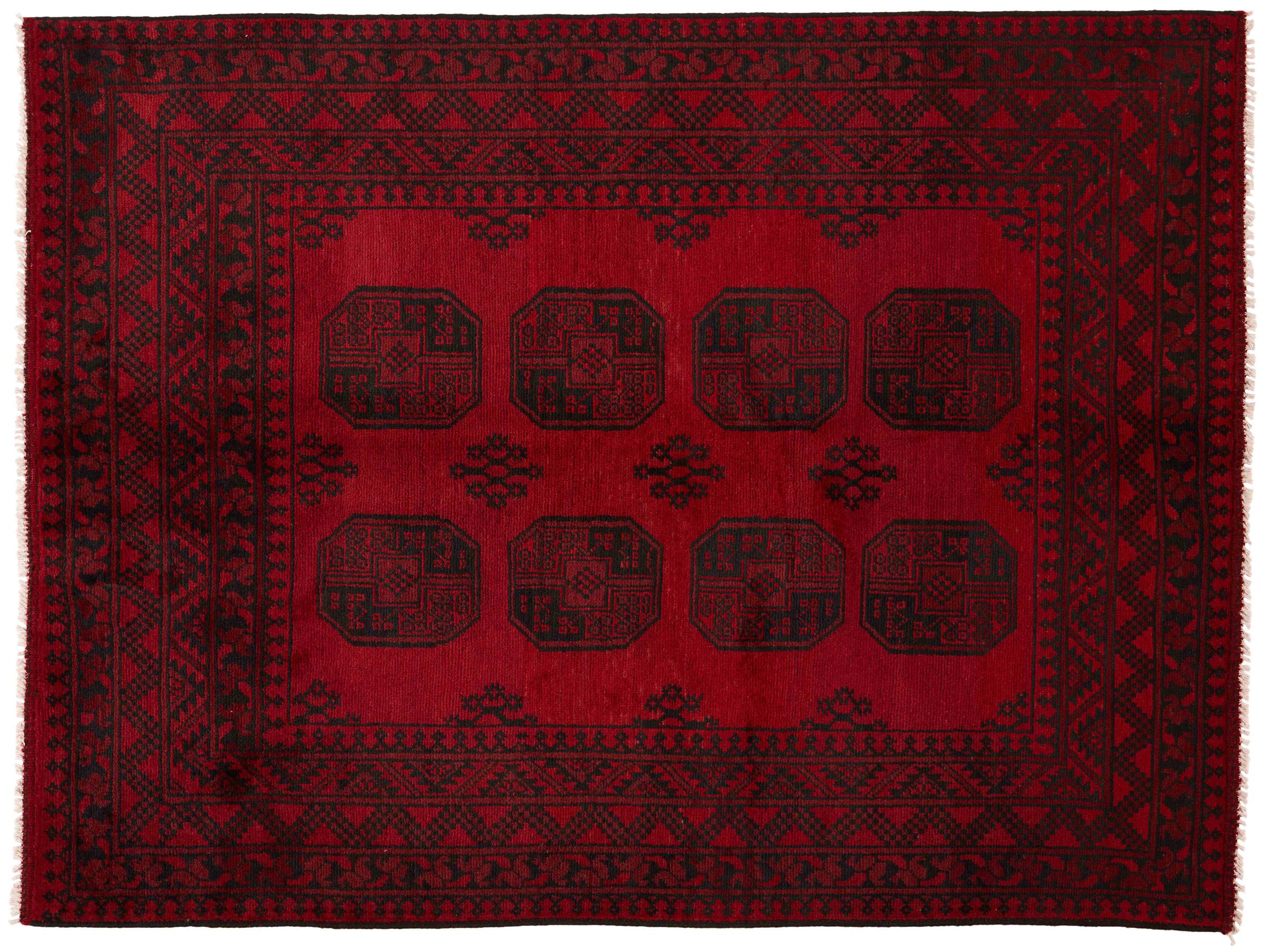
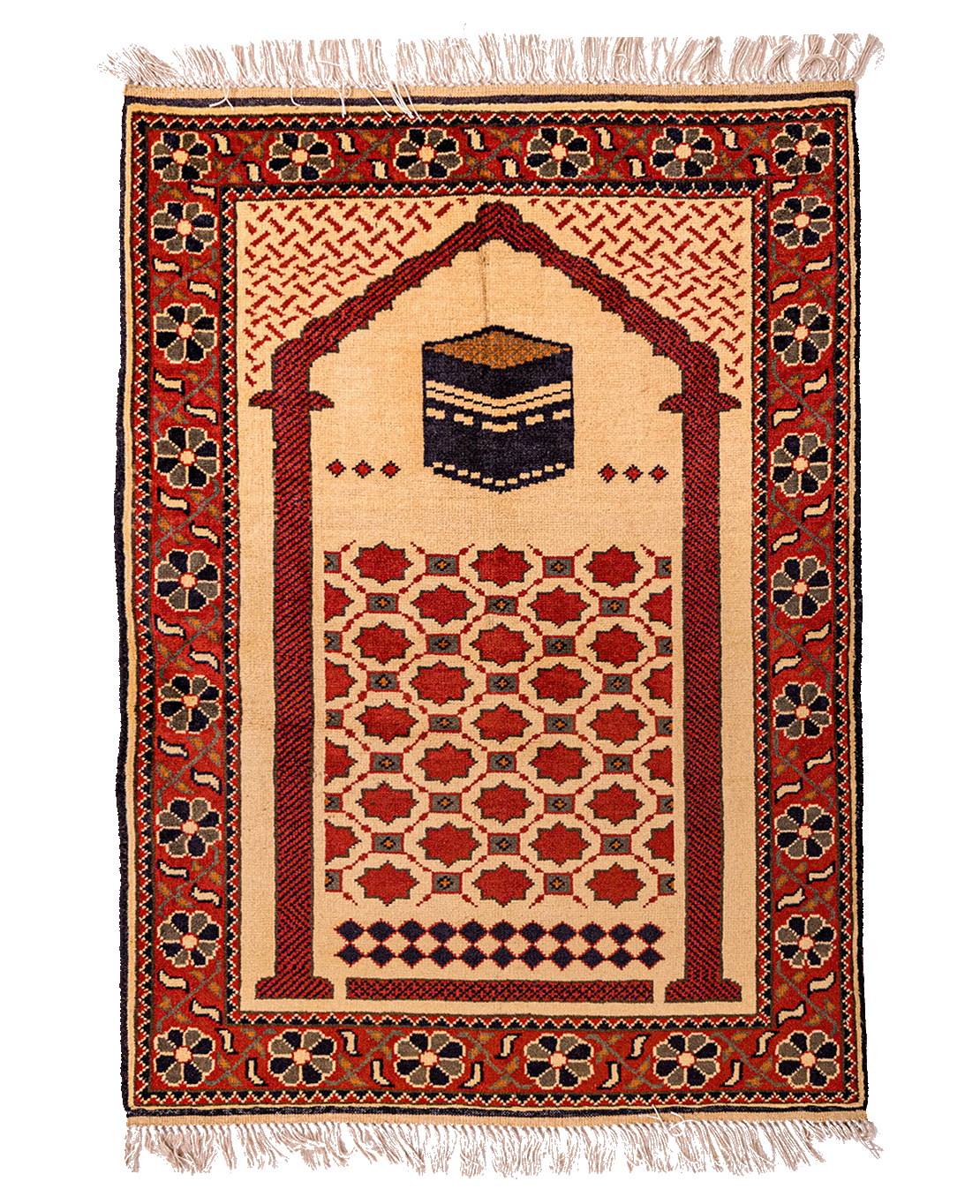
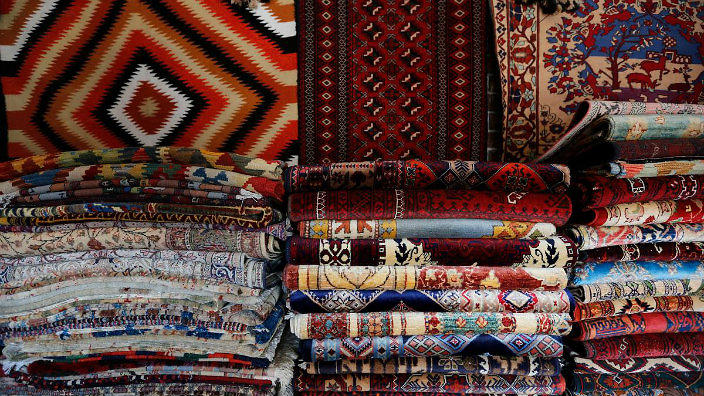
“I personally select every rug in its region of origin, visiting markets in Iran, Afghanistan, Pakistan and Turkmenistan. It is important to me that the rugs are not only beautiful but also authentic and of high quality. I often purchase hand-knotted pieces from families who have practised this craft for generations.”
What are the most important factors when selecting a rug?
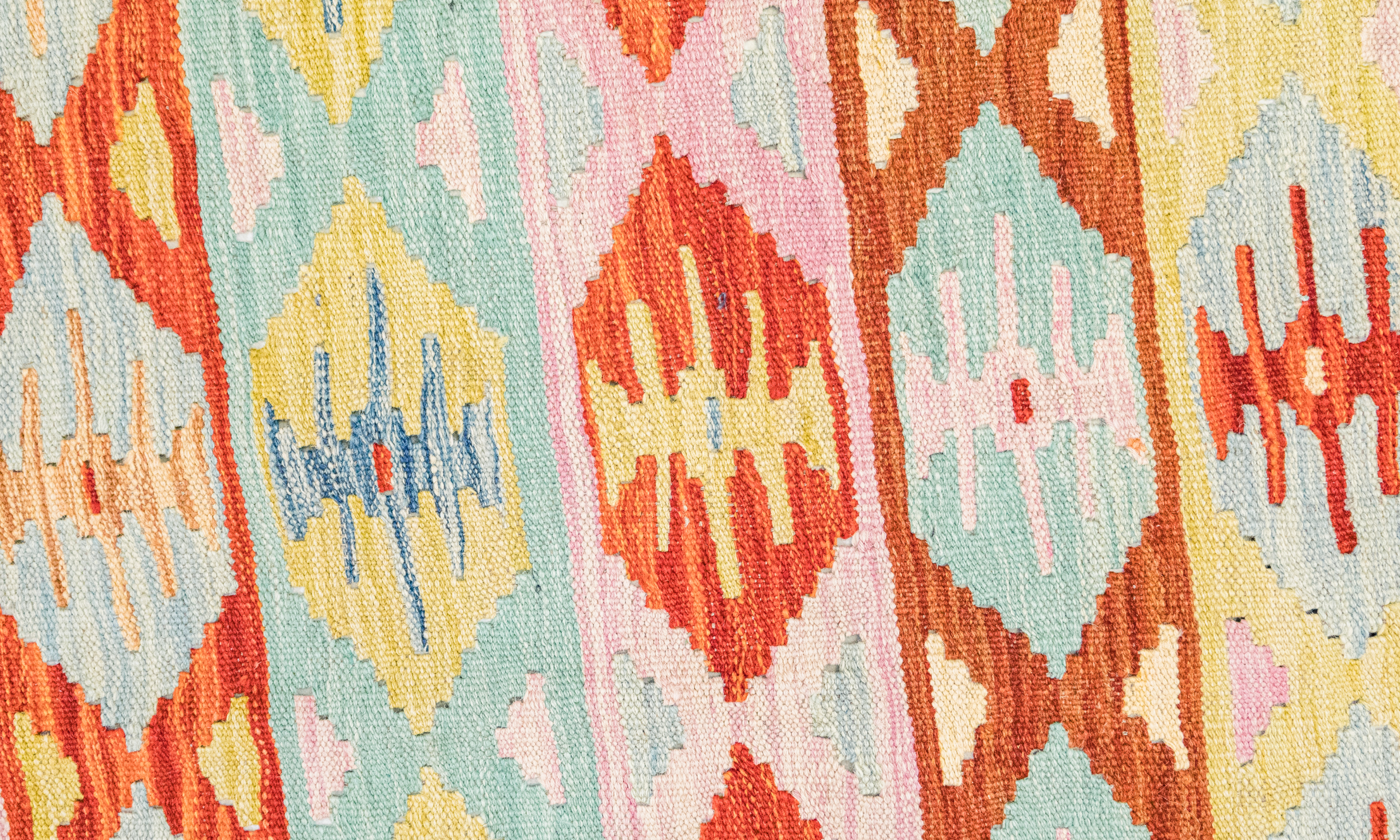
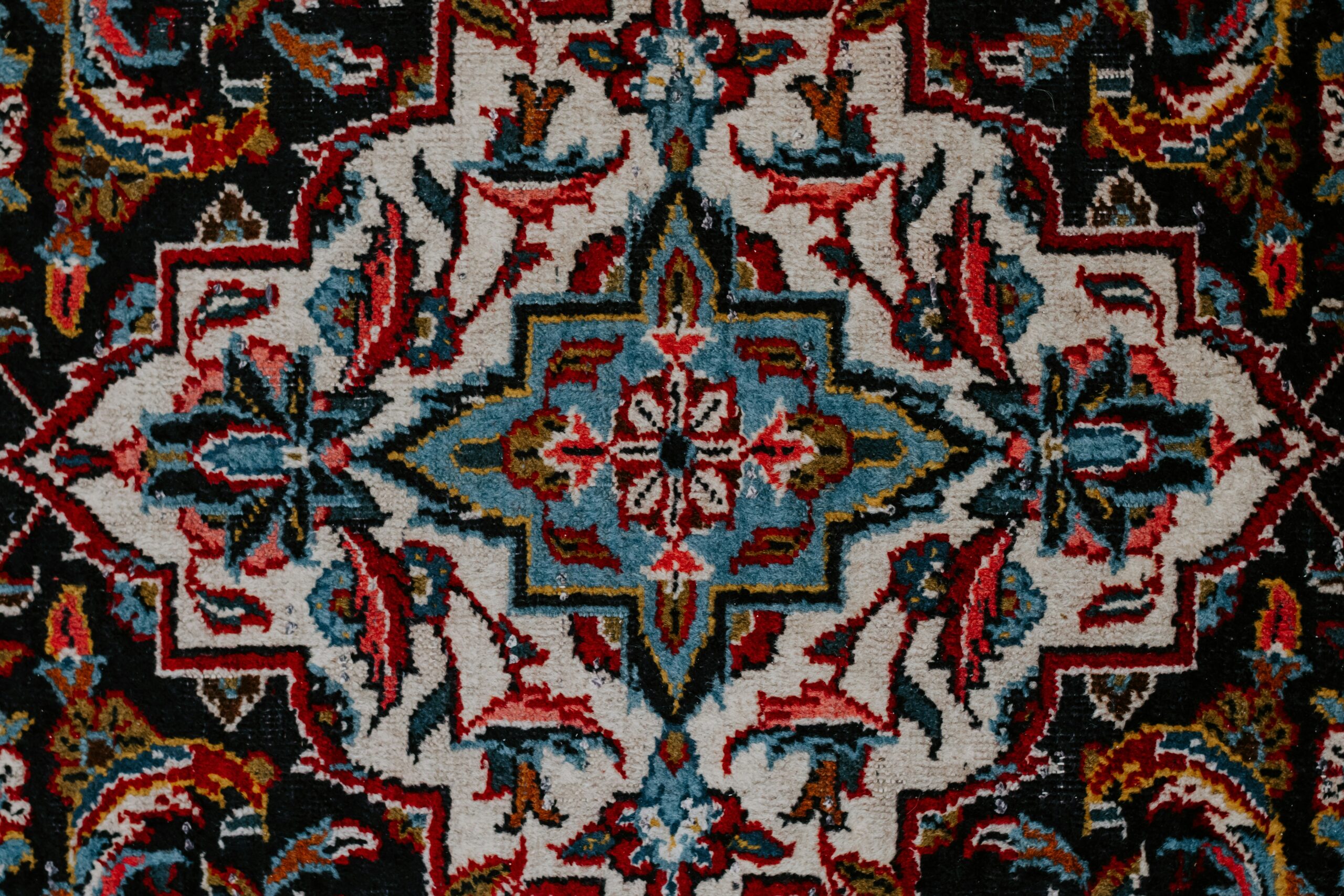
“Quality comes first: natural materials, hand knotting and durability. The authenticity of the design is equally important, as every tribe has its own distinctive motifs. We respect these traditions. We also place great emphasis on the colours and the harmony between them.”
What challenges does this process involve?
“Travelling to the source regions is always an adventure. Some villages can be difficult to reach, but the journey is worthwhile because that is where the most exceptional pieces are often found. Reliability presents another challenge. I have spent years building relationships so that we only purchase from people whose work we can truly trust.”
Why is personal selection so important?
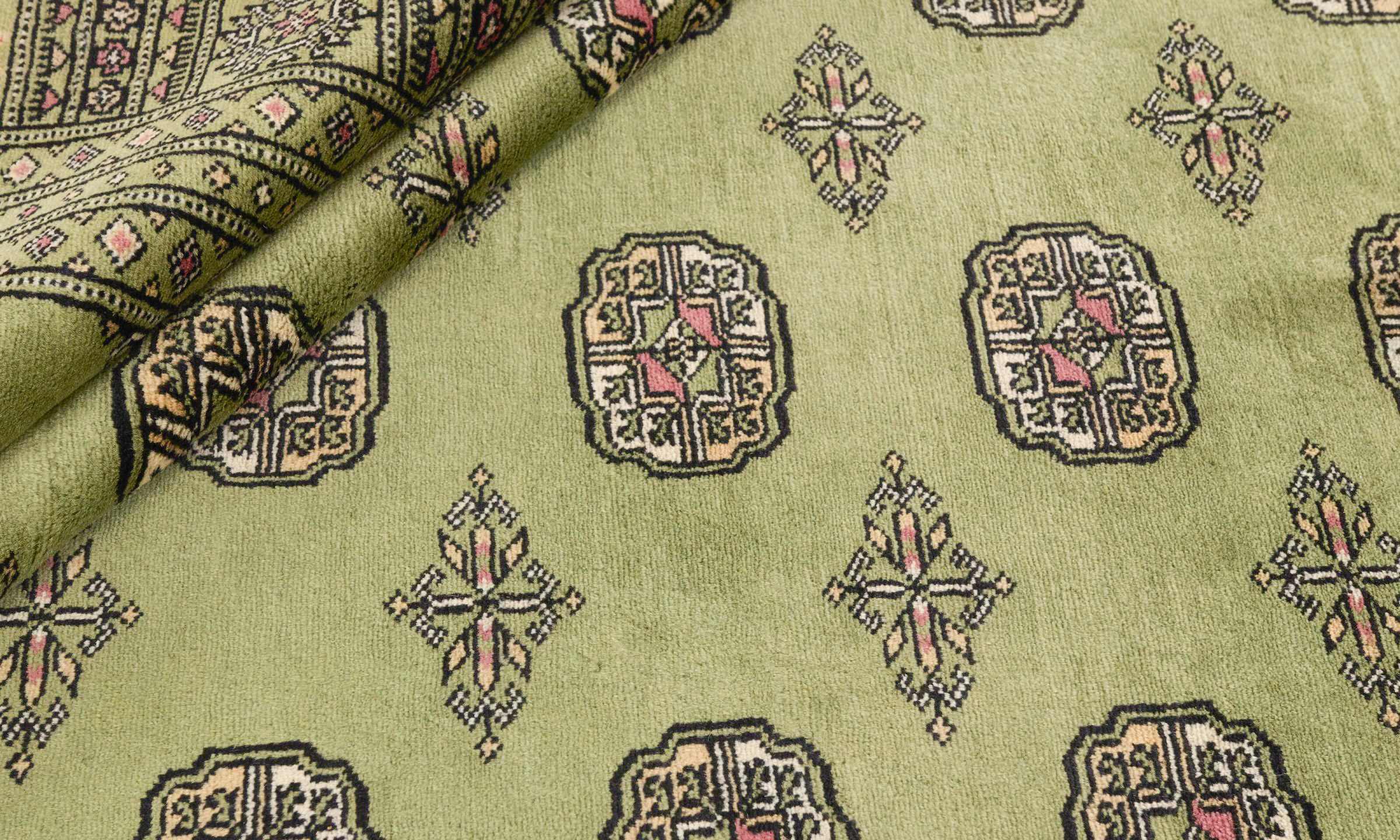
“No two rugs are identical. Photographs cannot convey their texture, the density of the wool or the true depth of their colours. By selecting each piece in person, I ensure that every rug lives up to the Kabiri name.”

Closing thoug
Kabiri Rug Store is more than a retailer—it is a bridge between cultures, traditions and people. Mr Jamal’s passion and expertise ensure that every piece carries a story and genuine value.