Blog
The origins and traditions of Bakhtiyar rugs
Bakhtiyar rugs developed from two distinct traditions. One originated among the nomadic tribes living in the mountainous Zagros region, where rugs were crafted by hand. The other emerged from the weaving culture of village communities in western Isfahan Province. Nomadic pieces appear less frequently on the market and often include bag rugs. These combine both woven and kilim techniques. Village-made Bakhtiyar rugs, by contrast, are much more widespread and are produced in communities across several mountain villages. The local population has Turkish, Persian and Armenian roots.
Patterns and colours
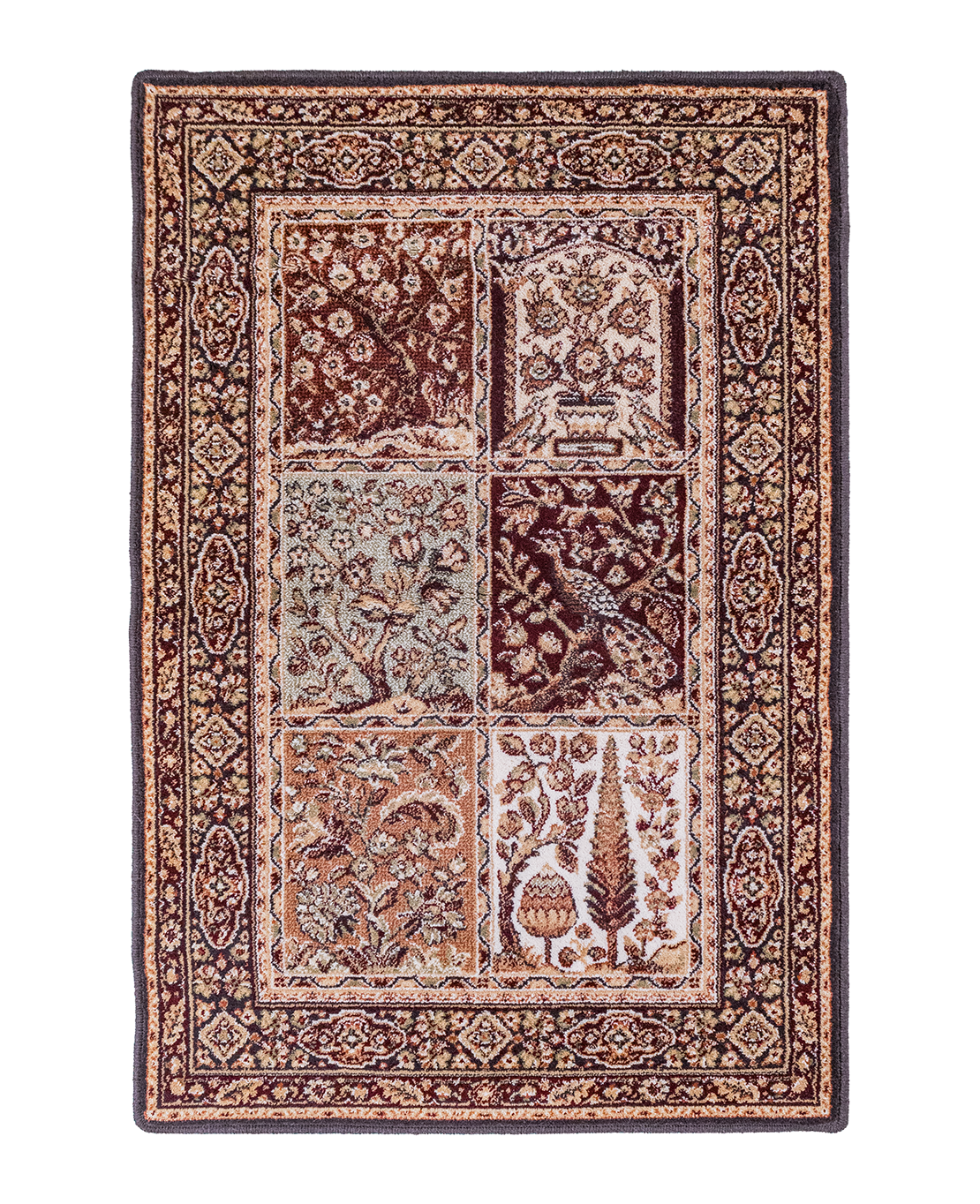
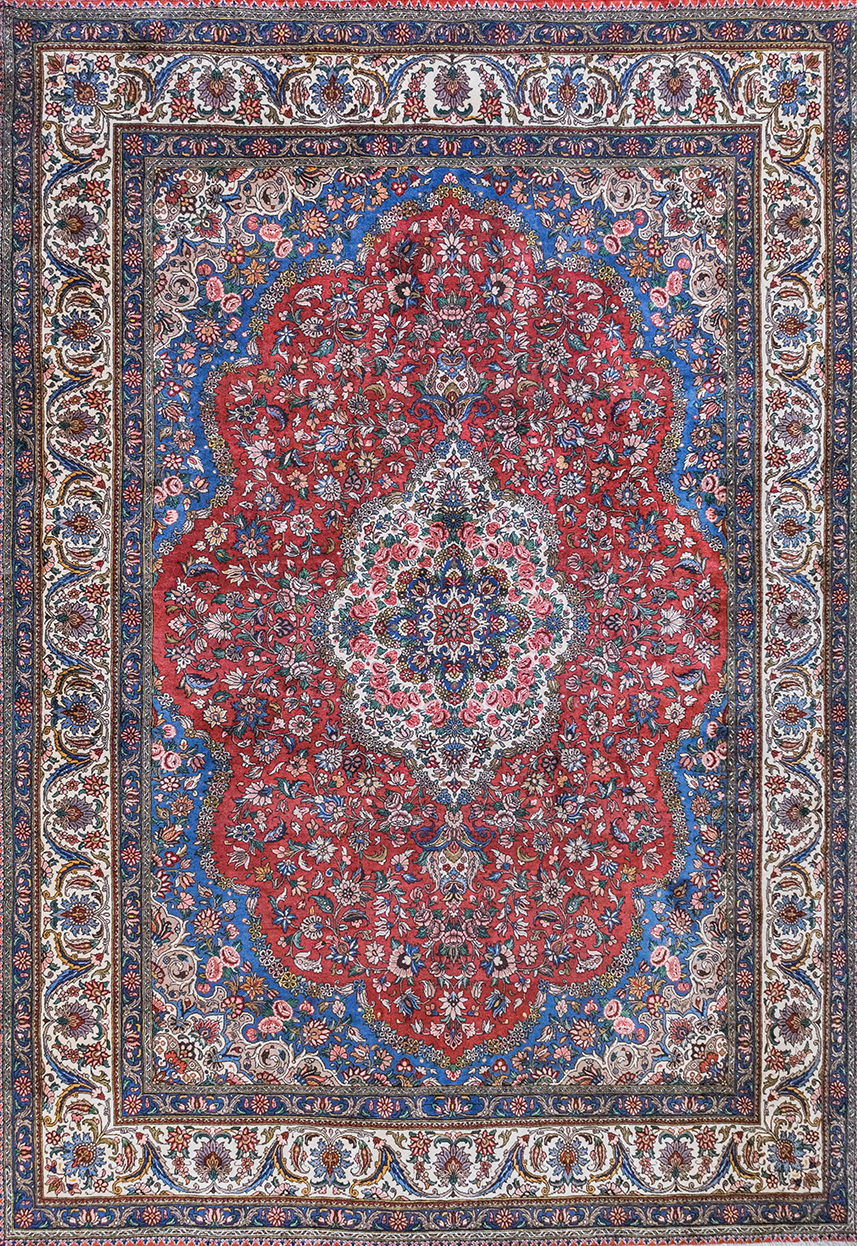
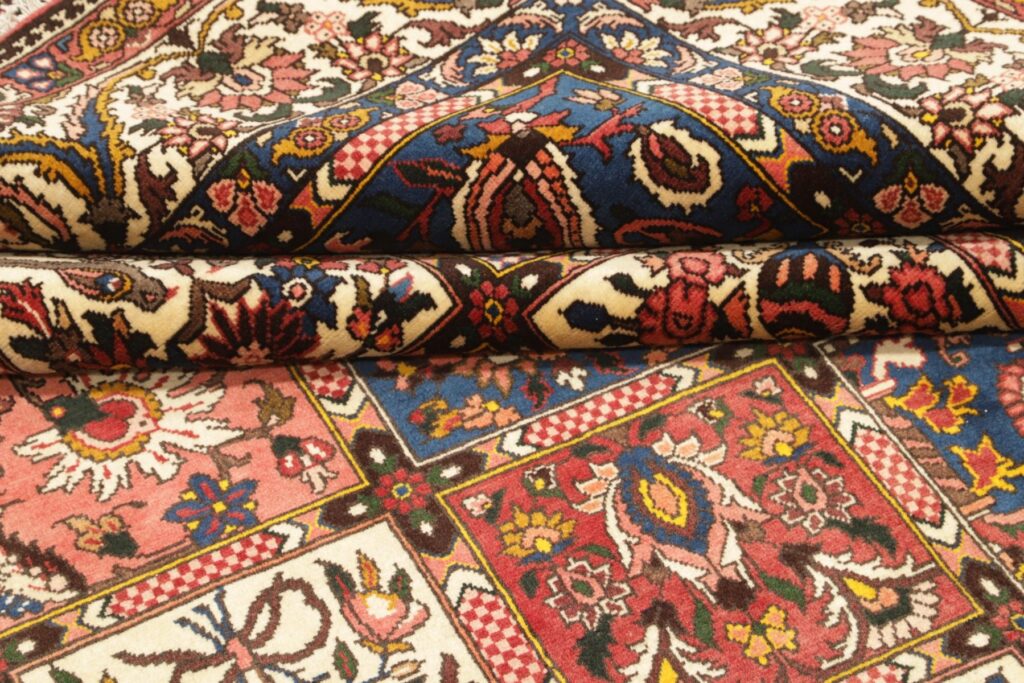
One of the best-known Bakhtiyar designs is the “garden composition”, which divides the surface of the rug into smaller rectangular fields. These are filled with flowers, roses and stylised plant motifs. Central medallion layouts are also common. The designs often have a more rustic appearance, with larger blocks of colour and clearly defined outlines.
Materials and structural characteristics
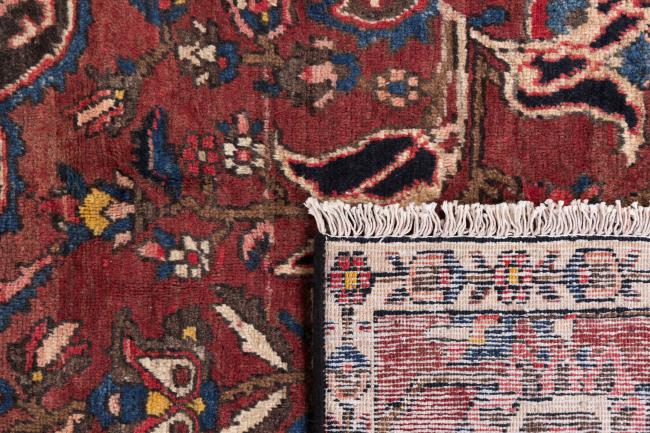
The rugs’ colour palette is traditionally defined by natural vegetable dyes derived from plants found in the surrounding mountainous regions. This creates a particularly harmonious, earthy aesthetic and a strong connection between nature, materials and patterns. The knot density generally ranges from 150,000 to 250,000 knots per square metre.
Interior design tips and recommended uses
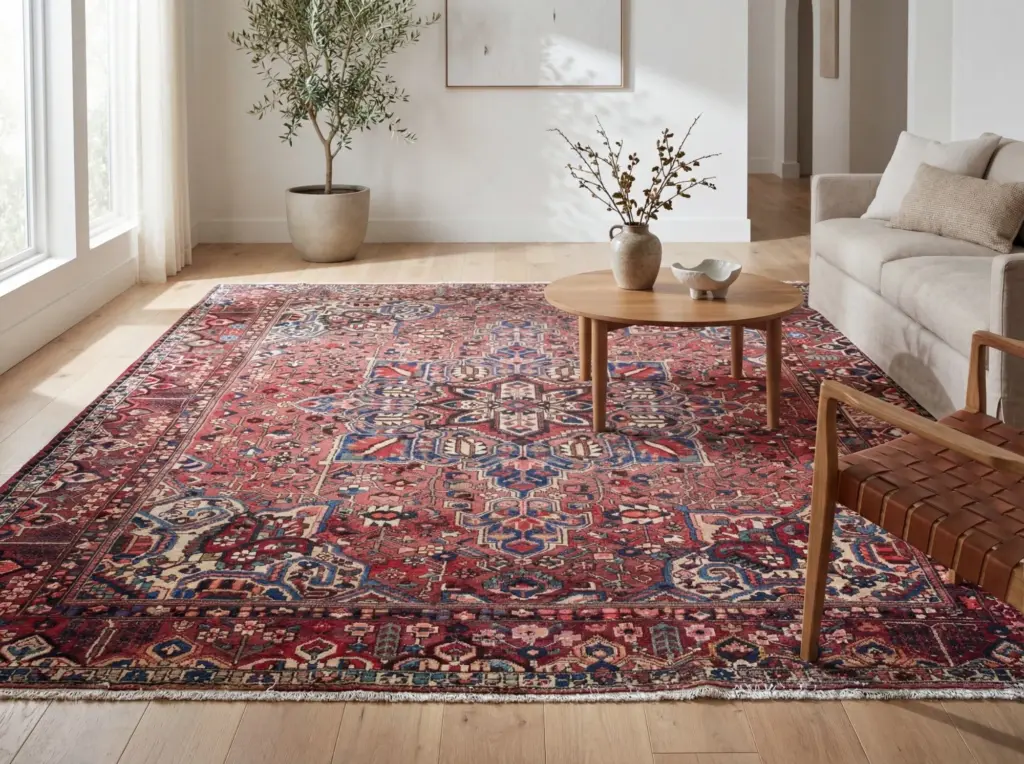
Thanks to their distinctive yet natural appearance, Bakhtiyar rugs work particularly well in interiors where warmth and rich texture are important. They are an excellent choice for rustic and country-style homes, while in modern spaces they create a strong, organic focal point. Interior design tip: garden-patterned Bakhtiyar rugs look especially striking in larger living rooms or dining rooms, where the design has enough space to breathe and the field-like structure remains fully visible. Pair them with light-coloured walls and furniture made from natural materials such as wood, linen and leather to highlight the rug’s colours and patterns. Central medallion designs work well beneath sofas or seating arrangements, where they visually unify the space. For a stronger rustic effect, combine the rug with darker wooden furniture. For a more modern atmosphere, place it in a light, minimalist interior and let the Bakhtiyar rug become the main decorative feature.
The value and distinctive qualities of Bakhtiyar rugs
The distinctive character of Bakhtiyar rugs lies in the close harmony between traditional craftsmanship and the use of natural dyes. Their pattern arrangements often have an ancient yet timeless appearance, giving each piece a unique character. The “garden” composition is not only decorative but also symbolic: in Persian culture, the garden represents harmony and order. This idea is reflected in the rugs, where the structured fields symbolise the relationship between nature and human craftsmanship. A Bakhtiyar rug is therefore an ideal choice for those seeking a natural yet distinctive Persian rug that is decorative, durable and rich in cultural meaning.
Source: Jamal Abdul Naser
Owner of Kabiri Carpet