Blog
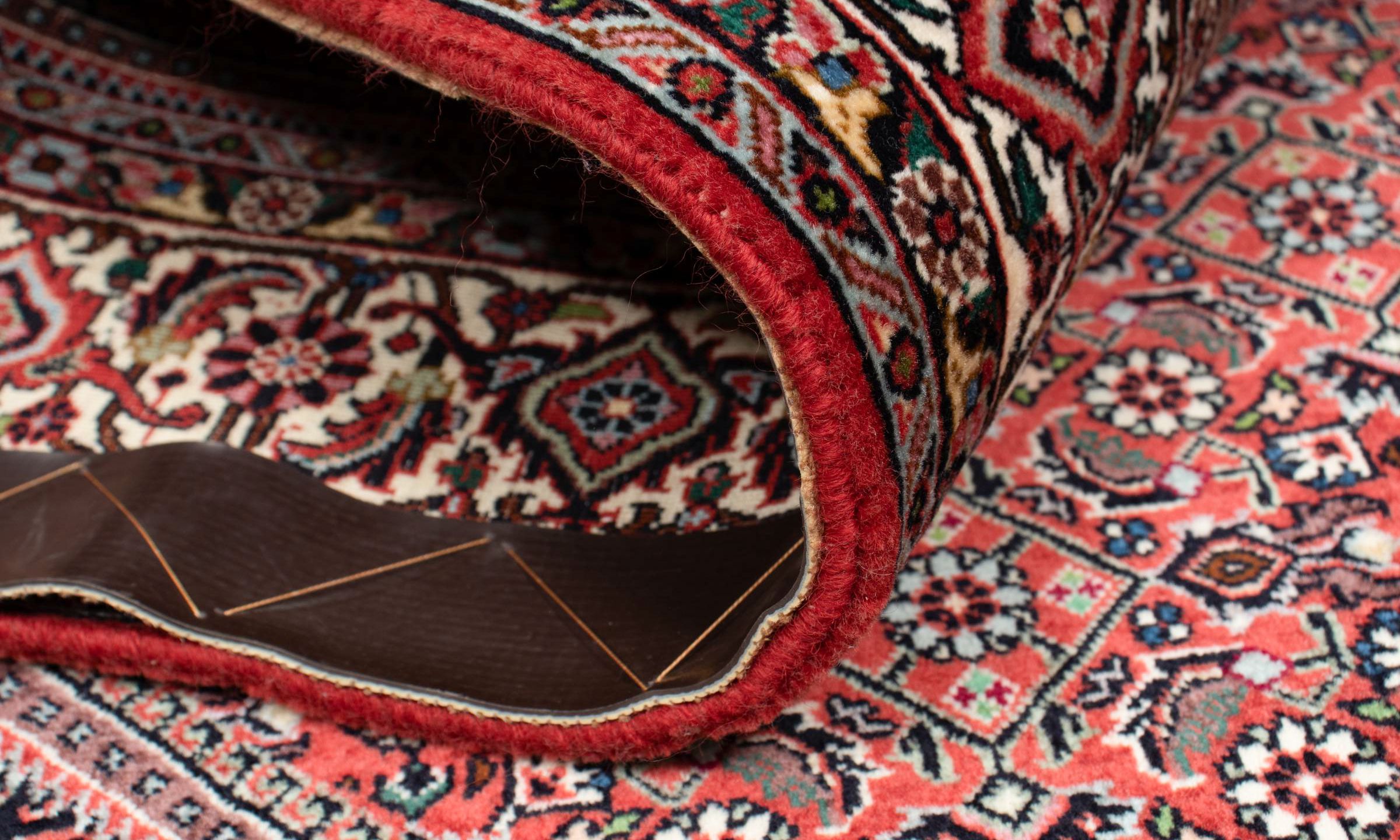
The origins and characteristics of Bidjar rugs
The Bidjar rug style originates from north-western Iran, particularly the area around Kurdistan Province, where one of the densest and most durable forms of traditional Persian rug weaving developed. Classic Bidjar rugs are often referred to as the “iron rugs of Persia” because of their exceptionally compact and hard-wearing construction, which makes them ideal for high-traffic areas. Indian-made Bidjar Royal and Bidjar Indi rugs continue this tradition in a modern production environment and at a more accessible price point. Indian weavers reinterpret the classic geometric language of Bidjar rugs while preserving their characteristic strength and wear-resistant surface.
Bidjar Royal – Denser weaving and a more refined appearance
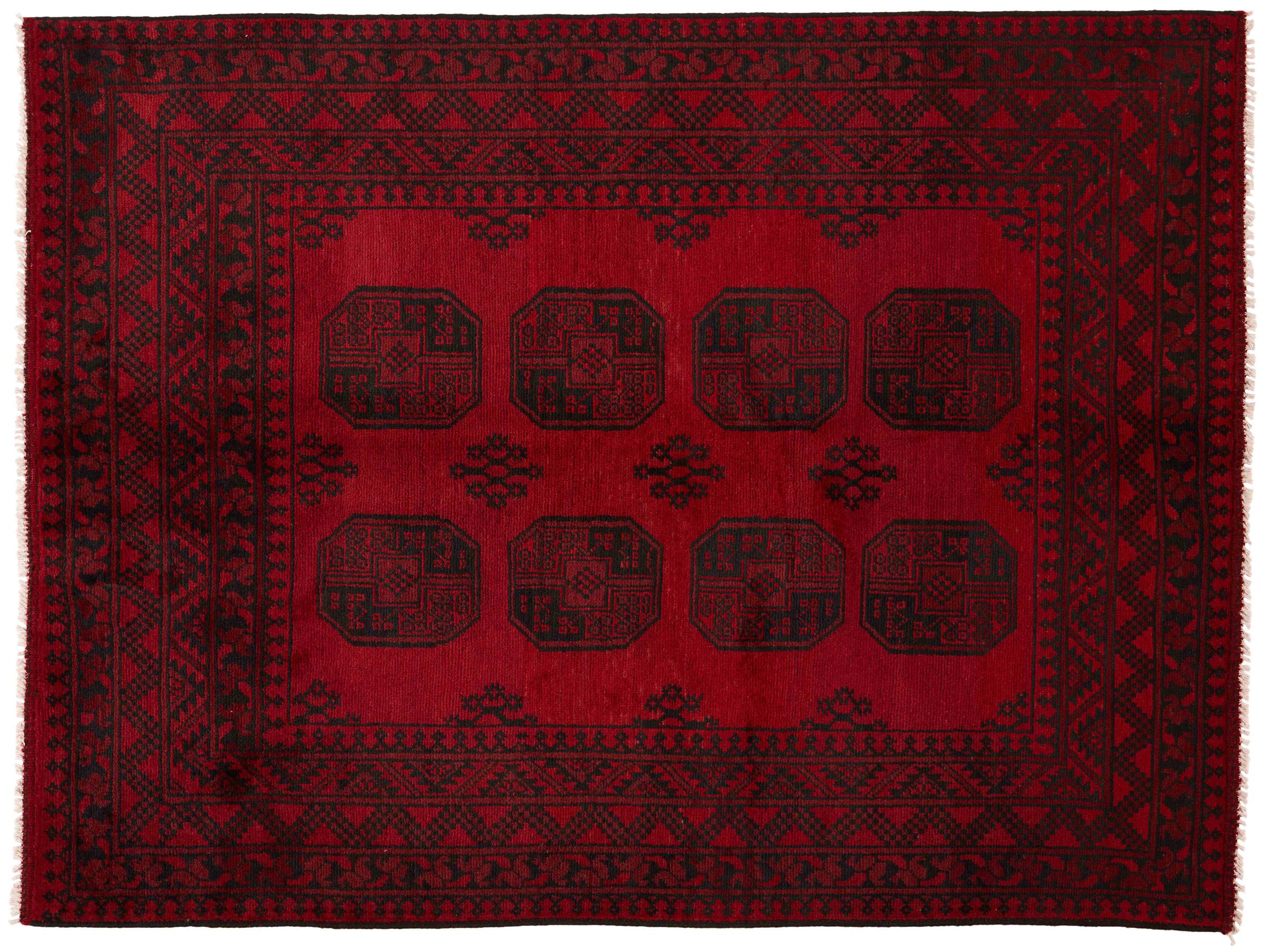
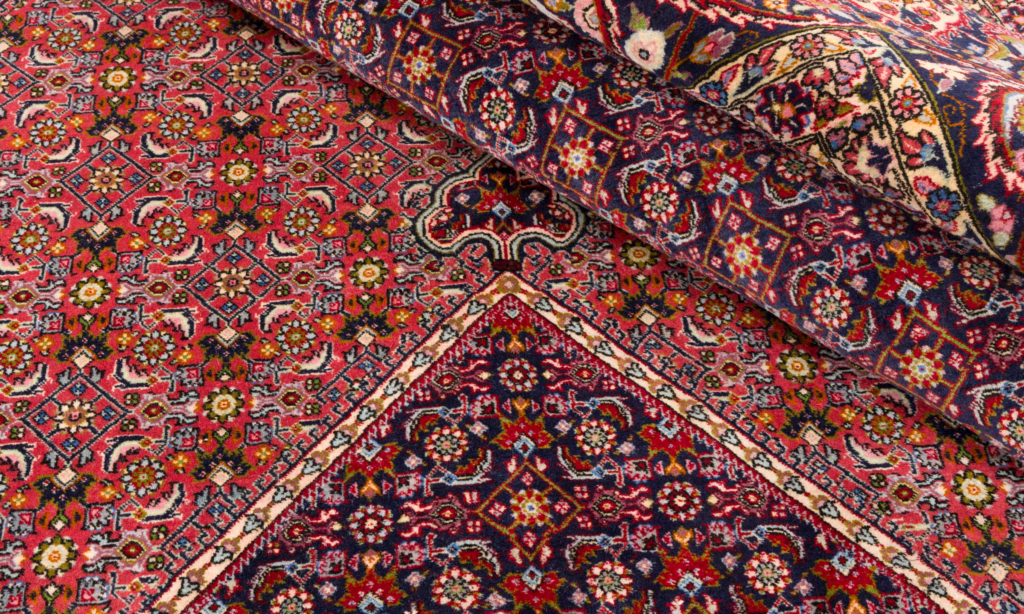
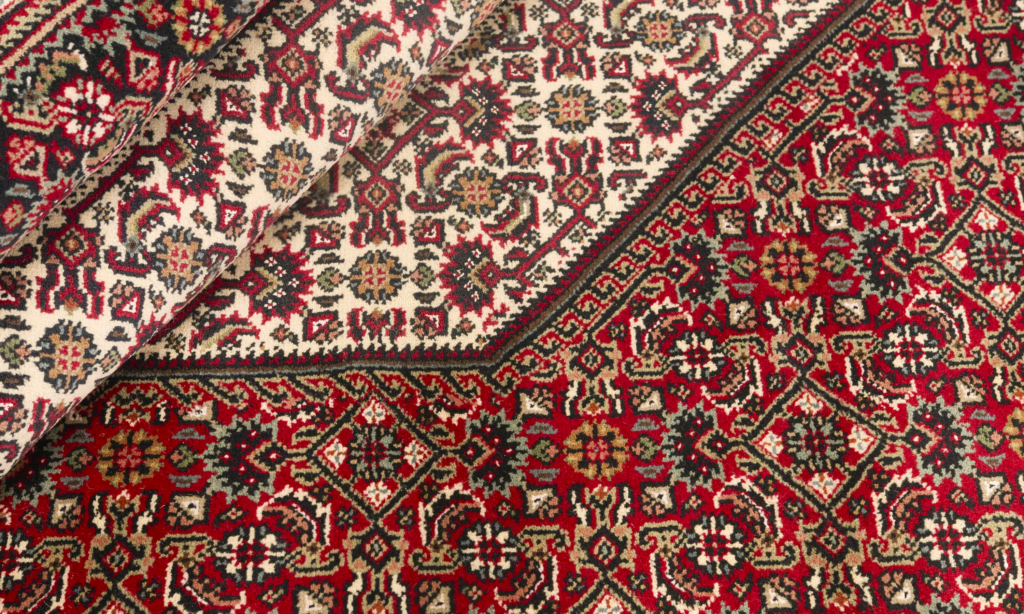
Bidjar Royal rugs represent the premium category among Indian Bidjar reproductions. Their knot density typically ranges from 250,000 to 350,000 knots per square metre, resulting in finer details, a more compact pattern structure and a slightly more lustrous surface. The design often centres on hexagonal geometric fields with a central medallion, surrounded by repeating shapes and floral, bush-like motifs. The Royal version has a cleaner and more refined visual character, making it especially suitable for elegant interiors.
Bidjar Indi – More accessible with bold geometric character
Bidjar Indi rugs follow the same design tradition but are made with a lower knot density and a slightly looser structure. This makes them a more affordable alternative while preserving the distinctive, bold geometric character of Bidjar rugs. The colour palette of both types is typically based on shades of red, complemented by hexagonal patterns and structured fields. The designs are often arranged around a central medallion, surrounded by repeating geometric forms and floral elements, creating an appearance that is both orderly and decorative.
Interior design tips and recommended uses
Bidjar Royal and Bidjar Indi rugs are exceptionally hard-wearing, making them ideal for high-traffic areas such as living rooms, dining rooms and entrance halls. Their bold geometric patterns work especially well in interiors that need visual structure and character. Interior design tip: red-dominated Bidjar rugs pair particularly well with natural wooden furniture, leather seating and neutral-coloured walls. In modern spaces, the geometric design creates a strong contrast, while in classic interiors it provides a stable and timeless foundation. The Royal version is recommended for more elegant living rooms and formal spaces, while the Indi version is also well suited to everyday family settings.
The value and distinctive qualities of Bidjar rugs
The greatest strength of Bidjar rugs lies in their combination of durability and bold geometric design. The Indian Royal and Indi versions adapt this tradition to the needs of the modern market while preserving the classic visual language.
The hexagonal structures, medallion-based layouts and floral fillings create a visual language that is both bold and harmonious. A Bidjar rug is therefore an ideal choice for those seeking a durable, characterful and geometrically balanced rug that will remain a stable design element in the home for many years.
Source: Jamal Abdul Naser
Owner of Kabiri Carpet