Blog
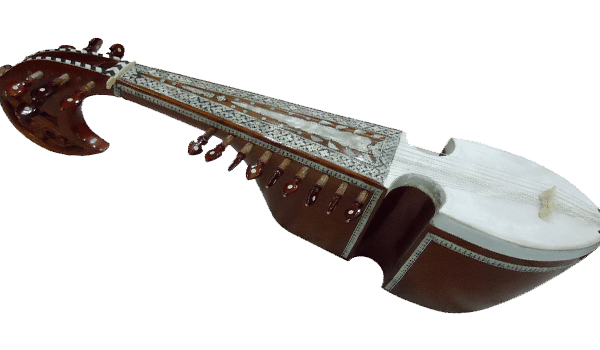
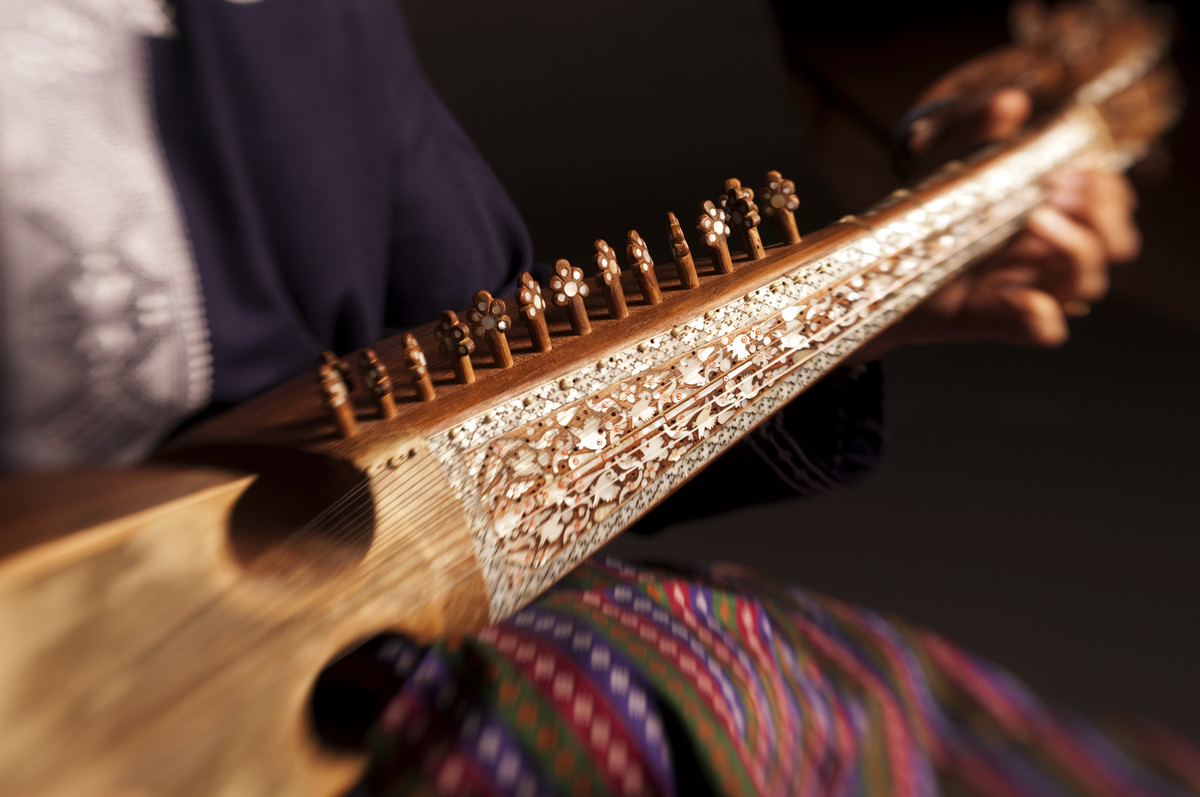
The rabab is a lute-like instrument from central Afghanistan. Musicians use it in several classical traditions, including Pashto, Tajik, Turkish, Kashmiri, Azerbaijani and Iranian Kurdish music. It is one of Afghanistan’s two national instruments.
Craftspeople carve the lower body from a single mulberry trunk and cover it with a goatskin membrane. The instrument has three melody strings and two or three rhythm strings. Another 15 strings act as sympathetic strings.
Evidence traces the rabab back to the 7th century. Old Persian books mention it, and many Sufi poets refer to it in their verses.
The rabab is also believed to be the first instrument used in Sikhism. Bhai Mardana played it. When Mardana became Guru Nanak’s first disciple, the rabab became an essential accompaniment to Punjabi hymns.
The sarod, used in Indian music, developed from the Afghan rabab.
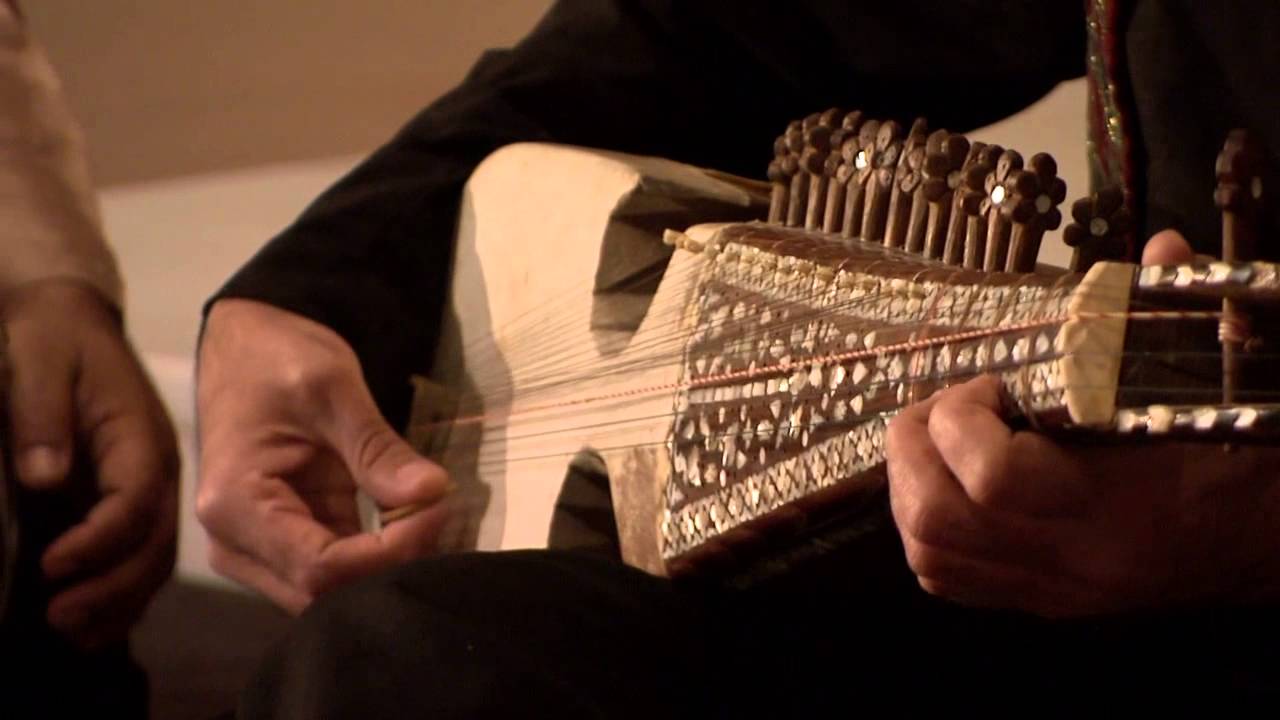
A historical overview of the tambura instrument type
Early period:
Lutes have a resonating body and a neck fitted with strings. The strings run from the end of the body along the full length of the neck.
Researchers classify lutes in two main ways. They may examine the shape of the body or compare the proportions of the body and neck. The second system divides lutes into short-necked and long-necked types.
The earliest known depiction of a long-necked lute appears on a cylinder seal from the Akkadian period, dating from around 2350–2170 BC.
1. Several terracotta figurines and reliefs from the Old Babylonian period (1950–1530 BC) depict long-necked lutes. One of the best-known examples comes from the city of Khafajah. It shows a seated figure playing a long-necked lute beside a dog and a pig.
2. Terracotta objects from the Kassite period (1530–1160 BC) also depict long-necked lutes.
3. In ancient Egypt, long-necked lutes first appeared during the 15th–17th Dynasties (1730–1580 BC).
4. This period coincided with the rule of the Hyksos, who arrived from the north-west. Kassite depictions of long-necked lutes date from a later period, around the 14th century BC. However, their form resembles the long-necked lutes of Egypt’s 18th Dynasty, dating from around 1520–1440 BC. Long-necked lutes therefore probably reached ancient Egypt from Babylonia.
Source: Diana oriental dance, József Brauer-Benke