Blog
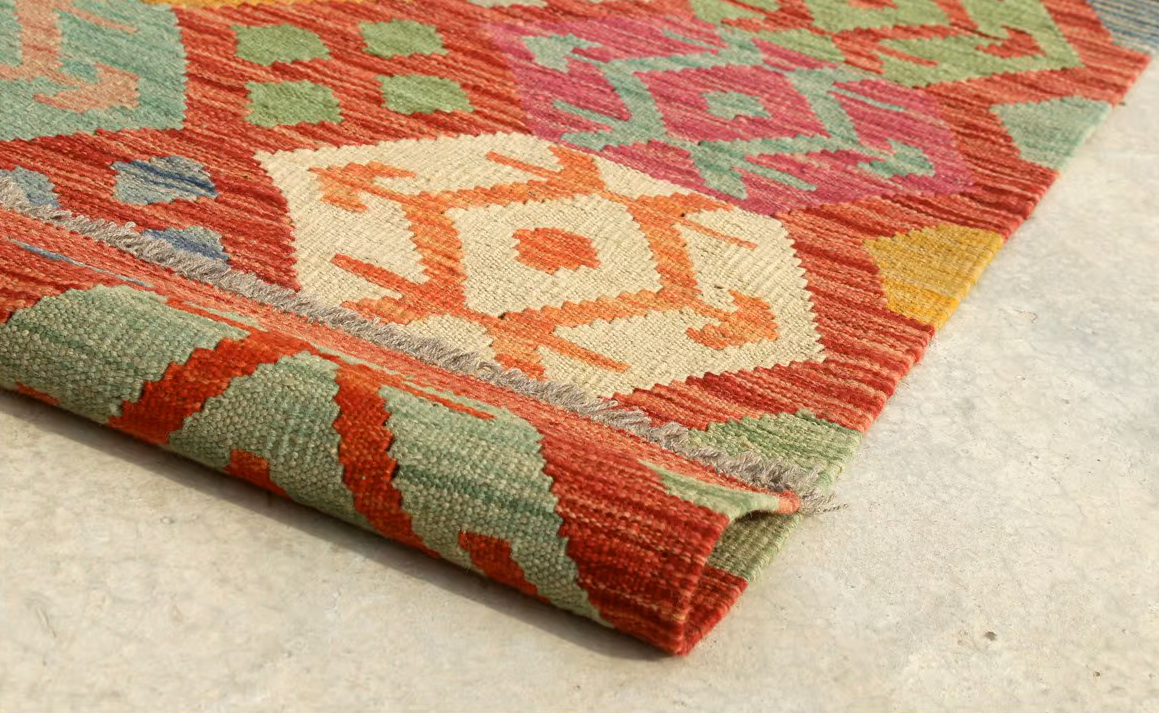
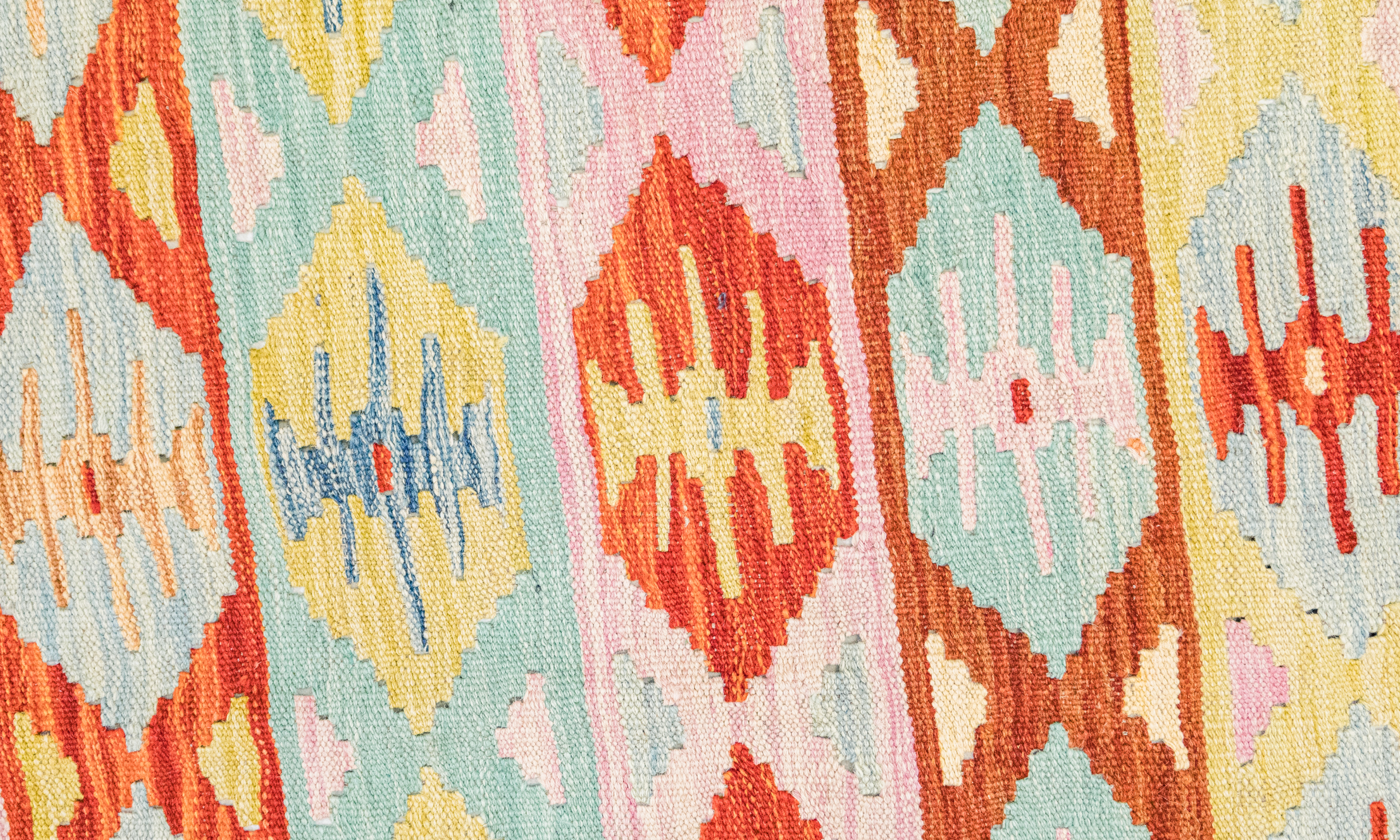
Kilims, also known as flatwoven rugs, include rugs and other practical textiles. These pieces come from nomadic traditions and appear across many cultures wherever people practised weaving. Ancient motifs, passed down through thousands of years, come to life in today’s colourful kilims.
Where do we recommend them?
It may sound like a cliché, but almost anywhere. Kilims make a home feel warm and welcoming. Their youthful character and natural or pastel shades suit many interior styles, from rustic to minimalist.
Each tribe uses different colours and materials, so kilims offer endless variety. Craftspeople usually weave them by hand on a loom. They mainly use sheep’s or goat’s wool, and sometimes silk.
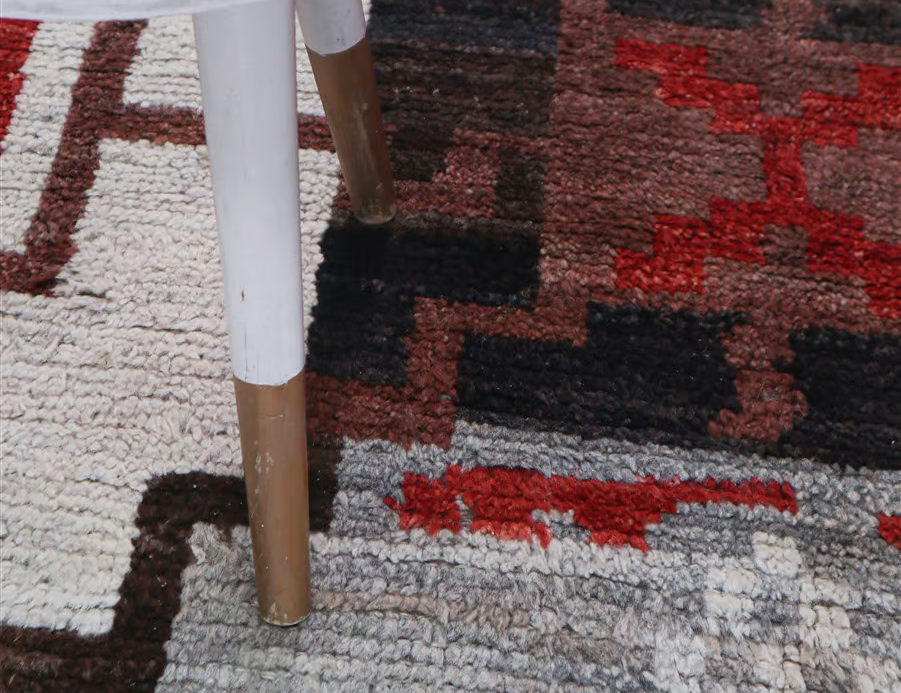
Anyone who has ever bought a kilim knows how dramatically it can transform a room. It brings the space to life and quickly becomes a new favourite. A piece made in a nomadic or rural workshop can also enhance a European home beautifully.
Why are kilims so popular?
Handwoven kilims reflect the culture of both their makers and their place of origin. At the same time, they feel familiar because they carry traditional values that speak to many people.
For centuries, people mainly used kilims on the floors of tents and huts. They made adobe houses and courtyards cleaner, brighter and more welcoming. Once decorated with kilims, these simple spaces became suitable for receiving guests or holding weddings.
Minimalist interiors are very popular today. Clean-lined furniture and tiles create a refined look, but they can also make a home feel slightly sterile. A kilim placed on the floor or draped over a piece of furniture adds colour and warmth without disrupting the overall style.
You can also create an oriental corner inspired by the interiors of traditional nomadic tents. In those spaces, kilims served as table coverings, wall hangings and practical works of art.
Source: Jamal Abdul Naser
Owner of Kabiri Carpet
At Kabiri Carpet, customers can explore a vast selection of kilim rugs and cushions.