Blog
The origins and characteristics of Isfahan silk rugs
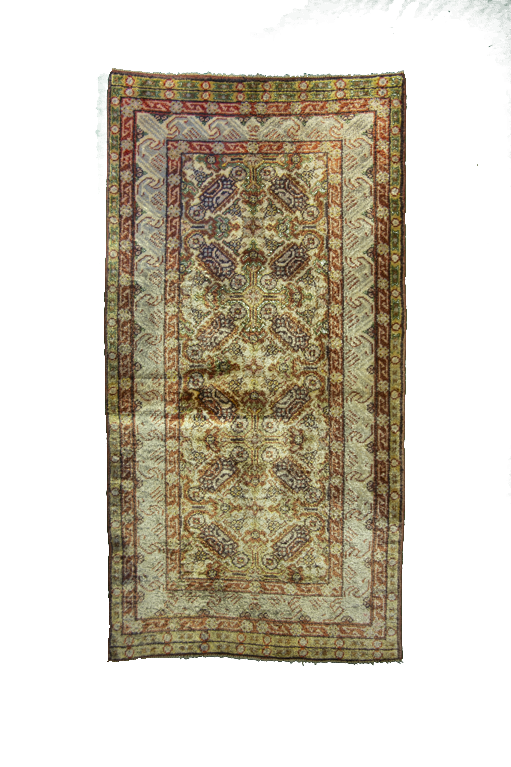
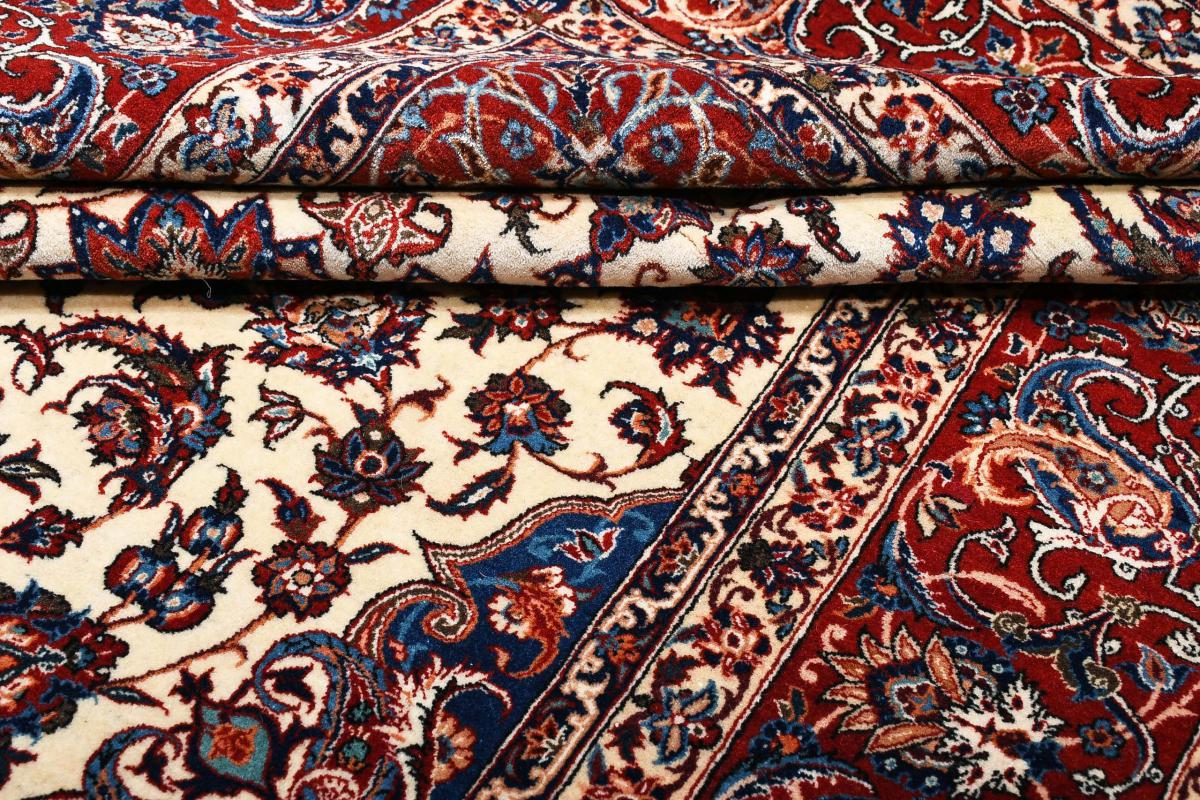
Isfahan is one of Iran’s most prestigious and culturally rich cities, renowned for its architectural heritage and artistic traditions. The designs of Isfahan rugs often draw inspiration from local architecture and historical motifs. The city’s streets have traditionally been lined with rug merchants, each piece representing a high level of Persian craftsmanship. Isfahan rugs are often produced in workshops or small manufactories known for their artistic refinement and rich ornamentation.
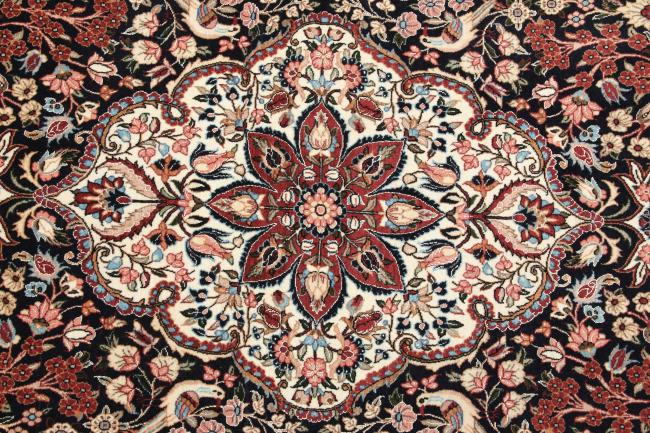
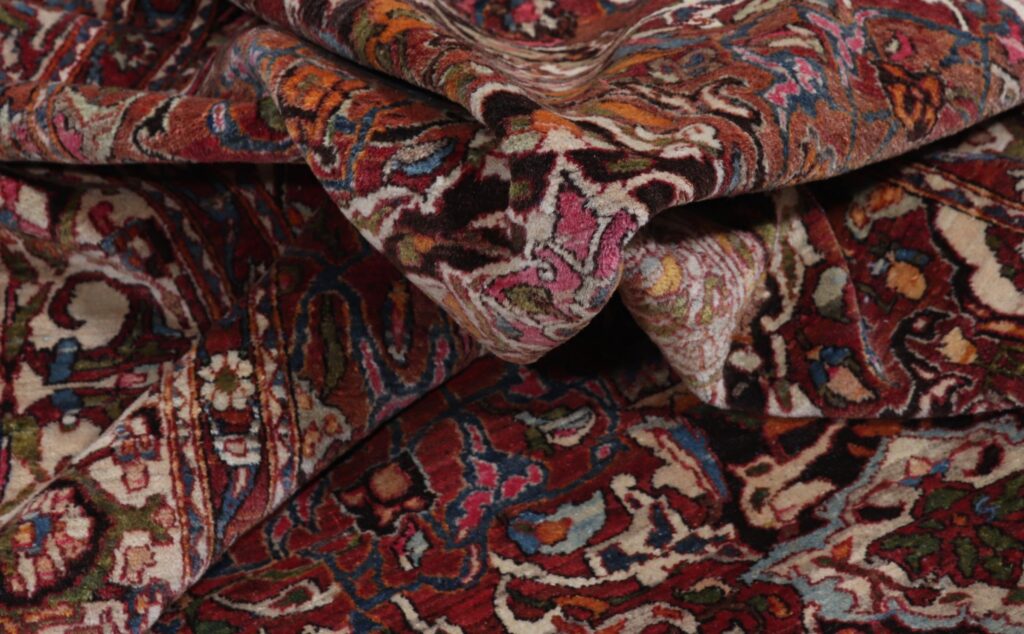
These rugs are exceptionally finely knotted, often exceeding 850,000 knots per square metre. This places them among the highest quality categories. Their exceptional standard reflects the skill of weavers trained over generations, who create these distinctive pieces through precise and meticulous craftsmanship. Several master weavers have become renowned for elevating the art of hand-knotting to legendary heights.
Recommended uses and placement in interiors
Thanks to their elegant appearance, Isfahan rugs are particularly well suited to formal interiors. They look exceptional in classic living rooms, refined dining rooms and spacious reception areas, where the rug can serve as the central decorative feature. They also work beautifully in clean, modern interiors, bringing warmth and elegance to minimalist surroundings through their strong visual character. They are especially effective in spaces furnished with understated furniture, allowing their patterns and fine details to be fully appreciated.0
High-quality Isfahan rugs are timeless pieces that can retain their beauty for decades with proper care. They may even become treasured heirlooms passed down from one generation to the next.
The value and distinctive qualities of Isfahan rugs
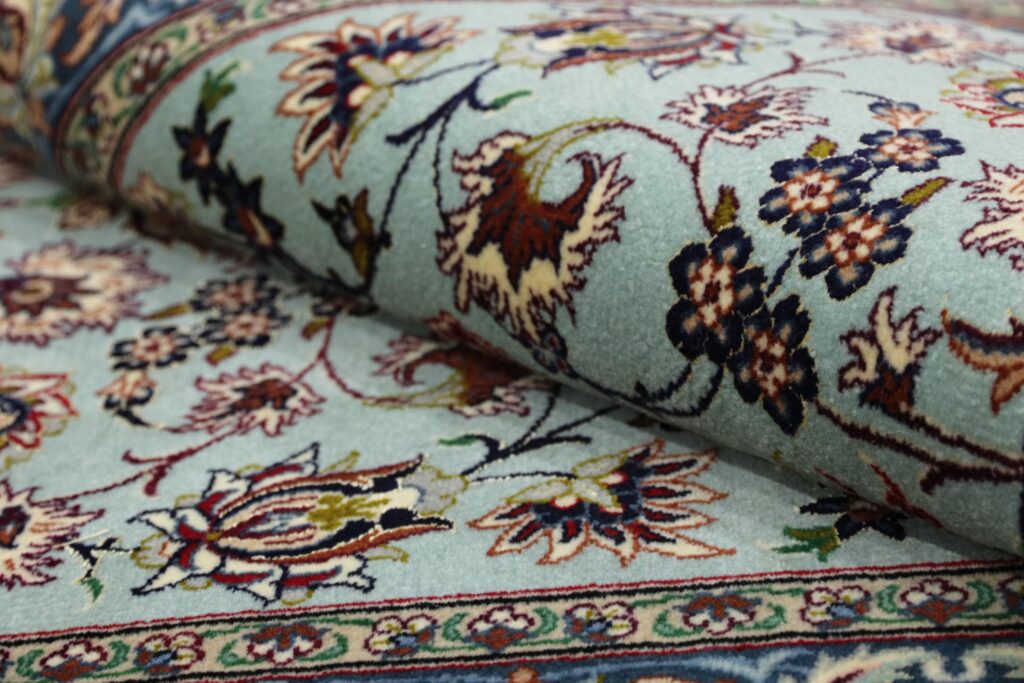
The distinctive character of Isfahan rugs lies in their rich detail and refined design tradition. Precise knotting and carefully selected materials create exceptional fineness, placing them among the world’s most exclusive rugs. These pieces are more than interior furnishings; they are living expressions of Persian artistic heritage. Each rug represents the highest level of craftsmanship while paying tribute to Isfahan’s cultural and aesthetic legacy.
Source: Jamal Abdul Naser
Owner of Kabiri Carpet