Blog
The origins and characteristics of Kashkuli rugs
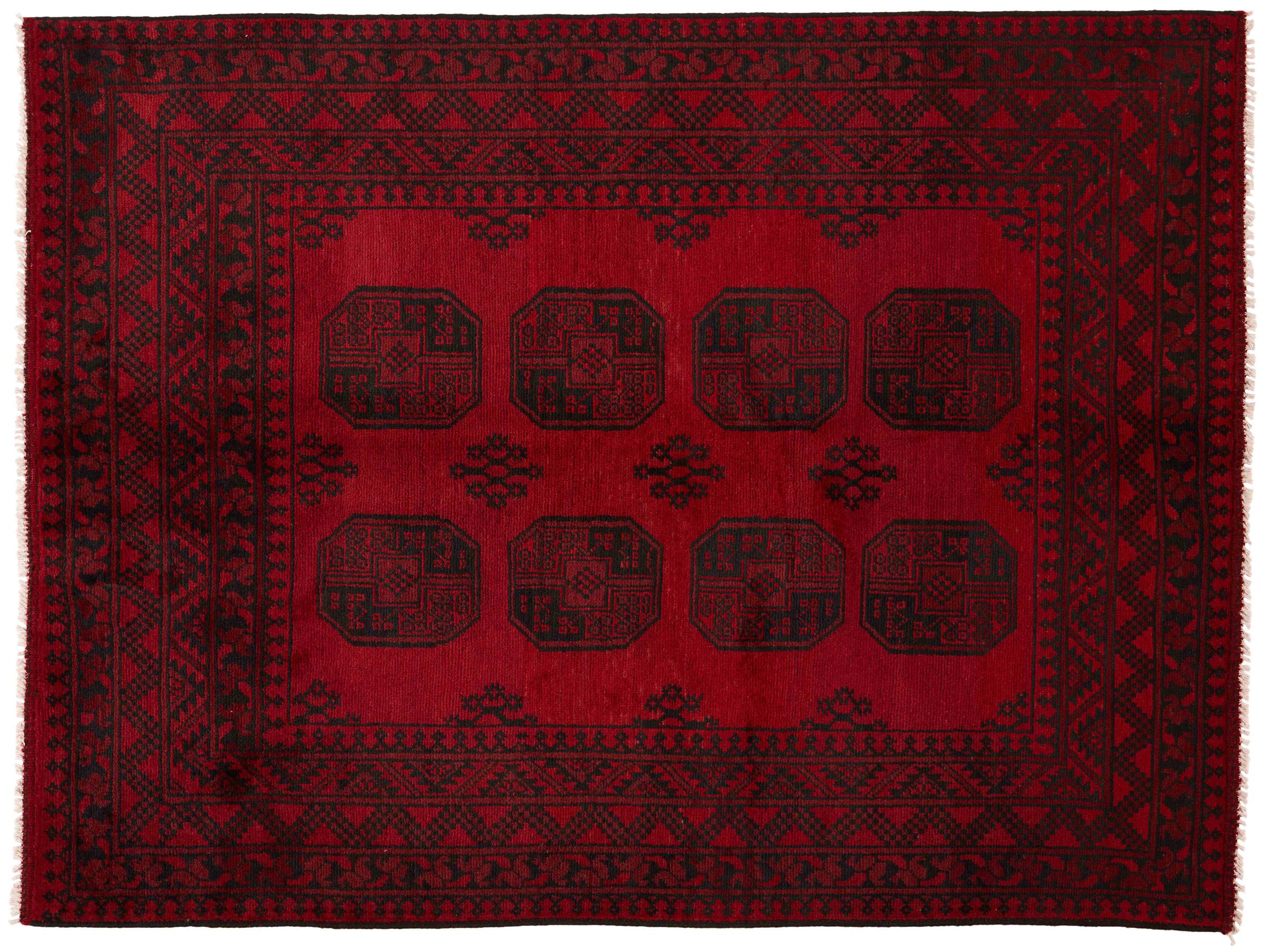
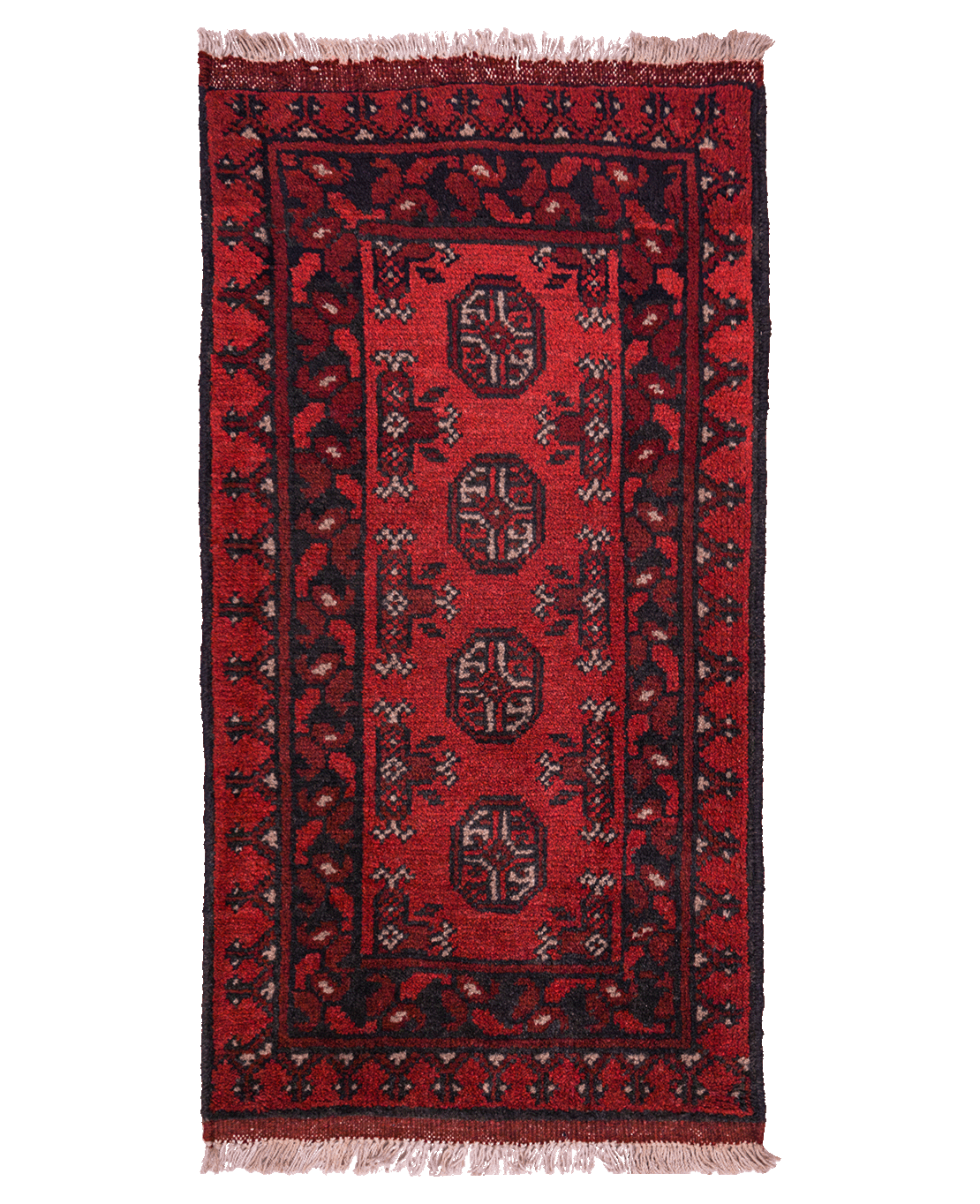
Kashkuli rugs are associated with the Kashkuli tribe, one of the best-known branches of the Qashqai people. The Qashqai live in south-western Iran and have preserved one of the most important traditions of Persian nomadic rug weaving for centuries. Experts often regard Kashkuli weavers as some of the finest tribal rug makers in the world, as their work combines nomadic tradition with an exceptionally high artistic standard.
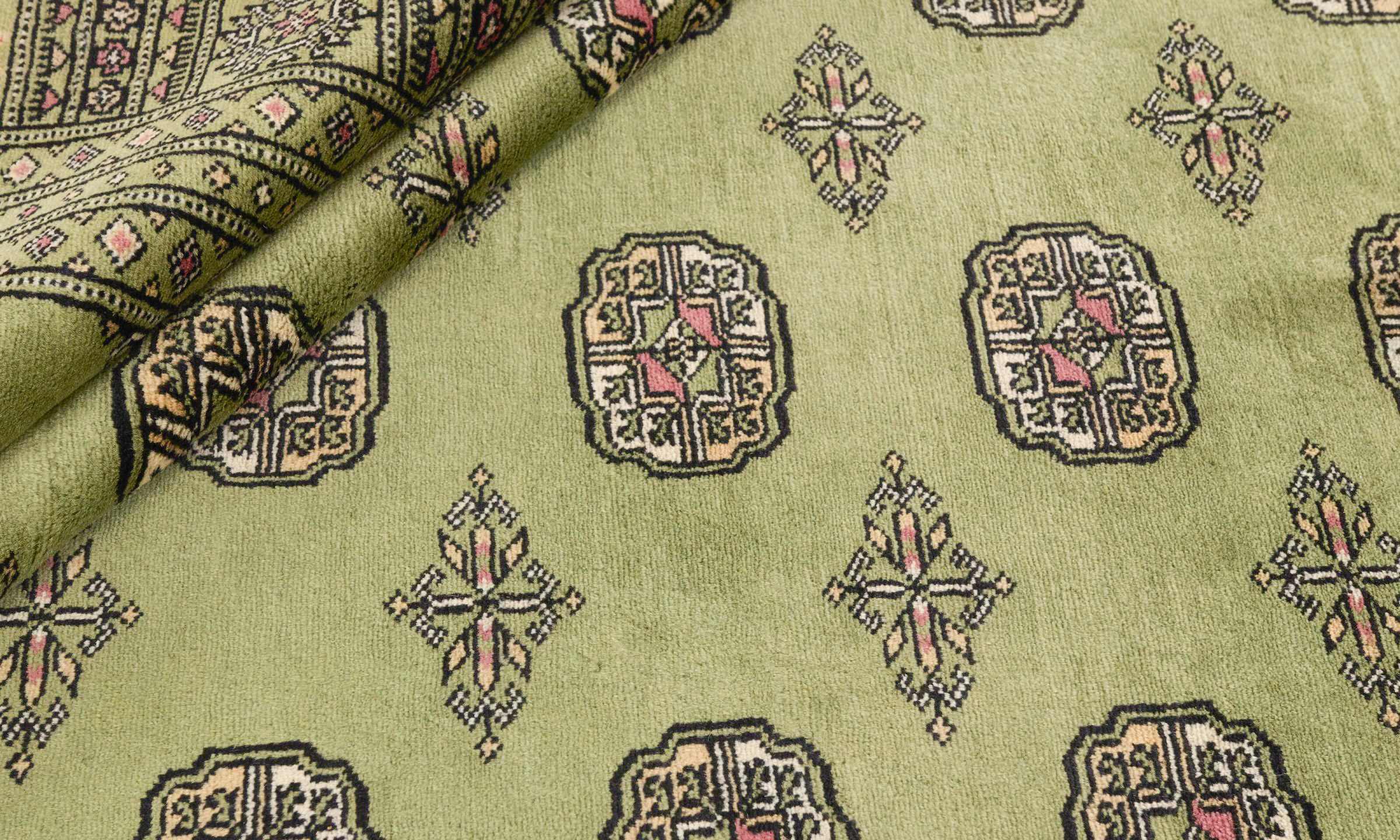
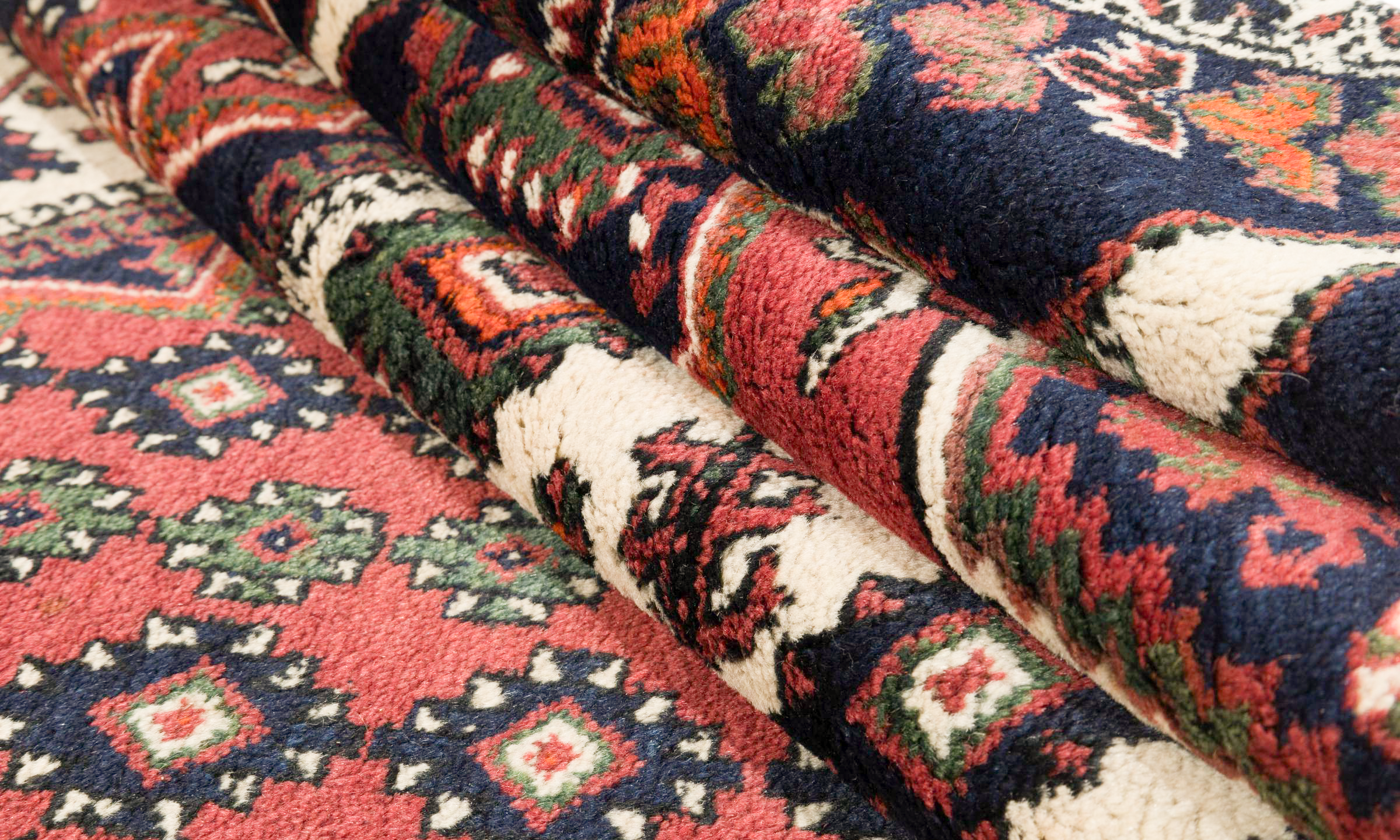
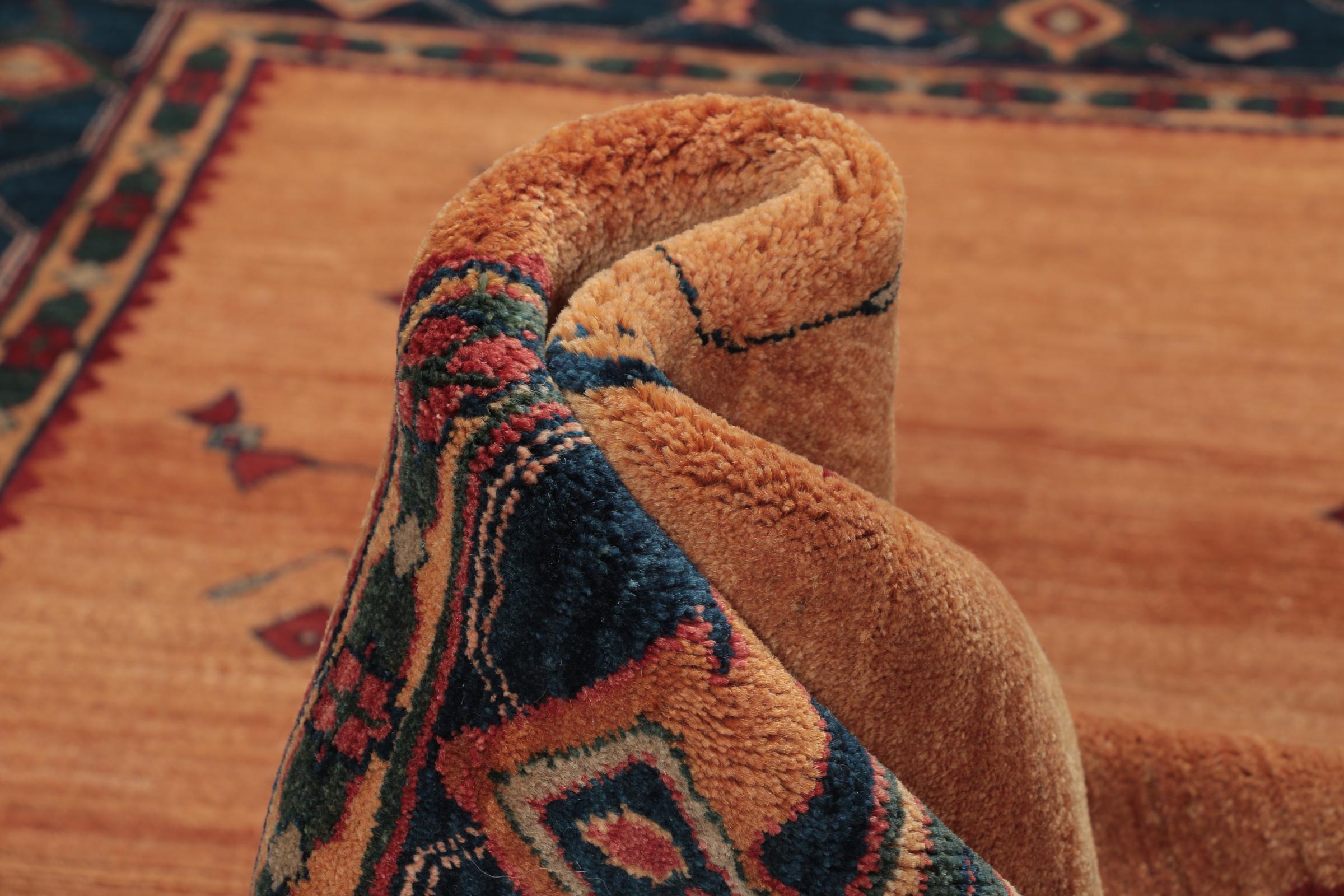
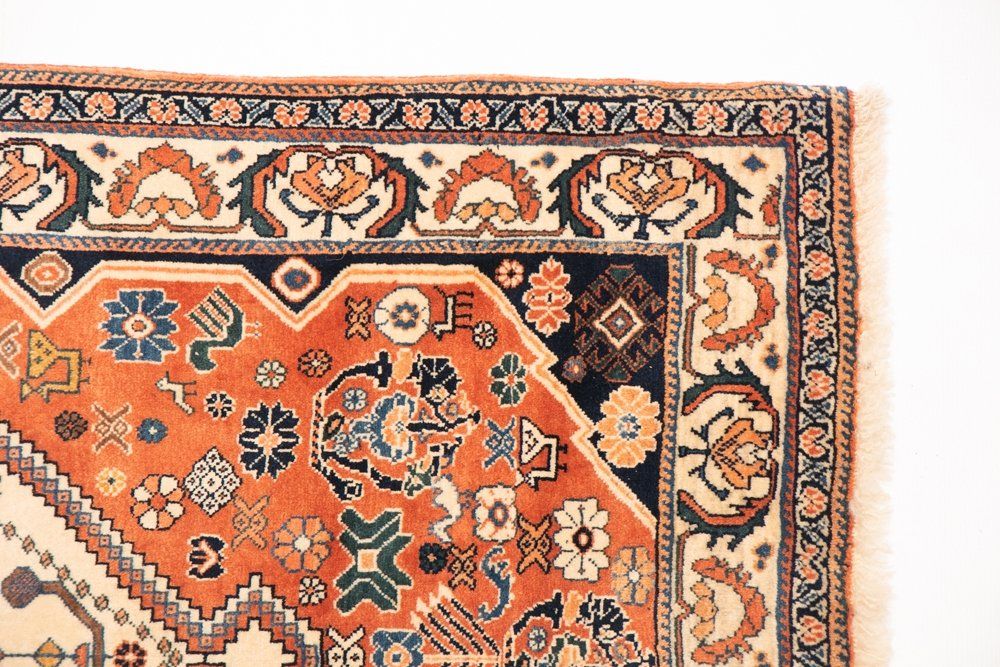
Kashkuli rugs are particularly fine within the category of tribal rugs. Their knot density usually ranges from 250,000 to 350,000 knots per square metre, allowing for highly detailed patterns. The warp and weft are often made from cotton, although silk is also used in some pieces. The wool used for the pile is especially fine, soft to the touch and naturally lustrous, giving the rug an elegant sheen.
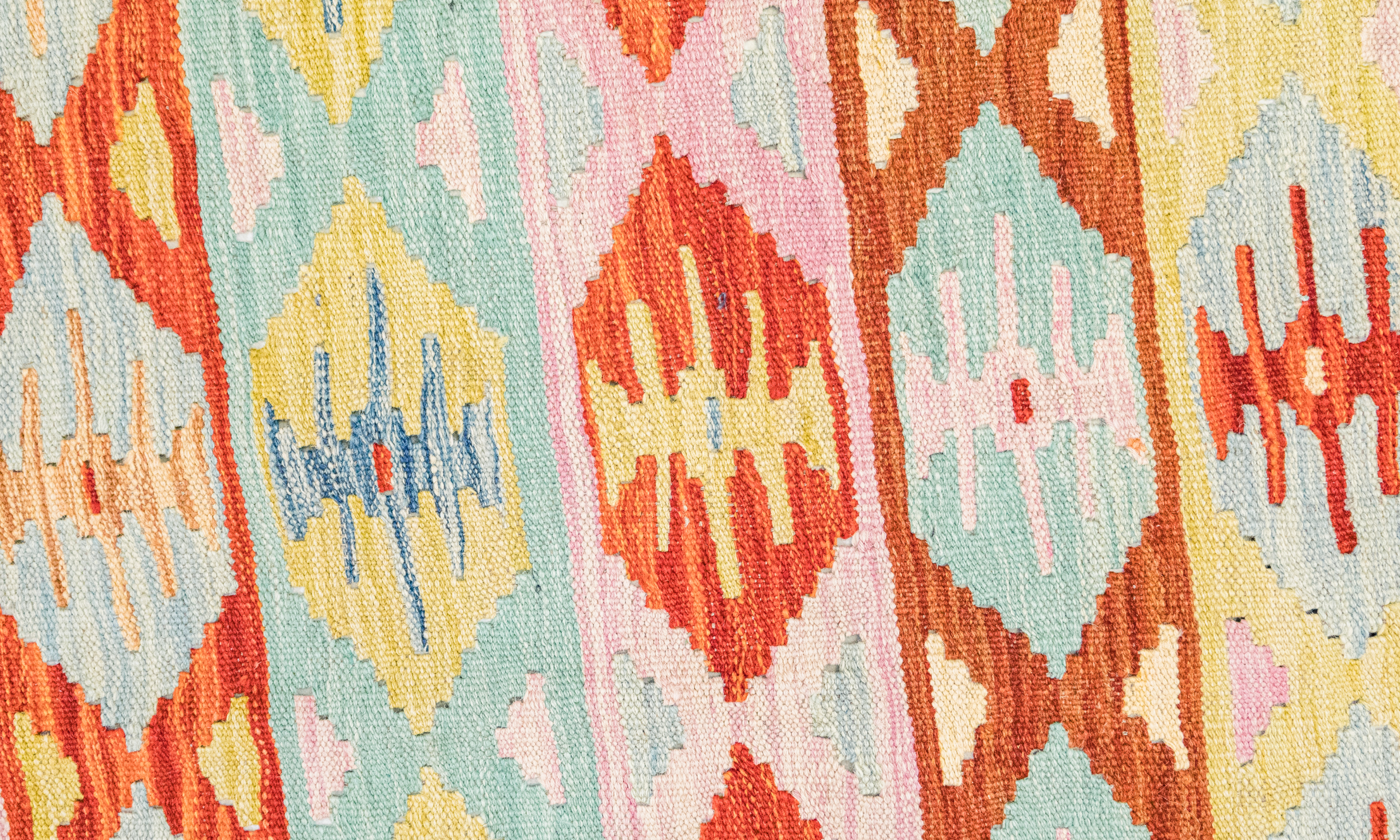
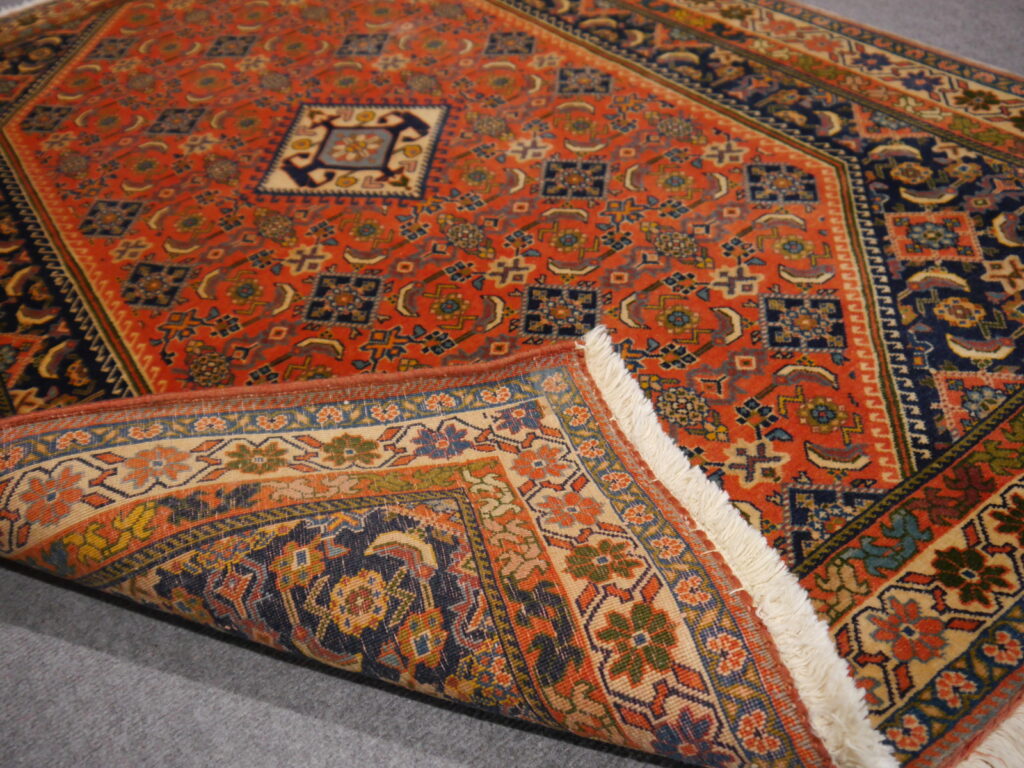
Their patterns are highly varied, although several classic motifs appear repeatedly. Stylised versions of the Herati, or Mahi, pattern are common, as is the prayer-niche, or mihrab, motif framed by cypress trees on either side. The rich colour palette includes shades of red, blue, gold, beige and ivory, creating a harmonious and timeless overall effect.
Which rooms are Kashkuli rugs recommended for?
Kashkuli rugs are generally made in smaller sizes, making them an excellent choice for rooms where a distinctive handcrafted rug can add character to the space. They look particularly impressive in living rooms, studies, reading corners and bedrooms, where their richly detailed patterns can be appreciated up close.
They fit naturally into traditional Persian and oriental interiors, while also remaining highly popular in modern settings. Their geometric and stylised motifs, combined with a rich colour palette, create an exciting contrast with clean-lined furniture and neutral-coloured rooms. The fine wool pile feels soft and comfortable underfoot, while the rug retains its durability in everyday use. Kashkuli rugs are therefore not only decorative but also a practical choice.
The value and distinctive qualities of Kashkuli rugs
Kashkuli rugs hold a special place in the world of Persian tribal rugs. While preserving the freedom and distinctive character of nomadic rug making, their workmanship and fine knotting often approach the standards of Persian rugs produced in urban workshops. Carefully selected, high-quality wool not only provides a soft feel but also gives the surface a distinctive lustre. This natural sheen is particularly striking in daylight, when the rug’s colours and patterns reveal constantly changing tones. Kashkuli rugs embody the meeting of tradition, craftsmanship and nomadic culture. Such a rug is more than an interior furnishing; it is one of the finest expressions of Persian tribal art and can retain its value and distinctive character for generations.
Source: Jamal Abdul Naser
Owner of Kabiri Carpet