Blog
Layering rugs, with a smaller piece full of character resting on a larger base rug, is one of the most forgiving and most striking tricks in interior design. It needs no big rearranging and commits you to nothing, yet it adds depth, texture and personality to a room at once. To make the result look planned rather than accidental, a few simple principles are worth following.
Why we love layering rugs
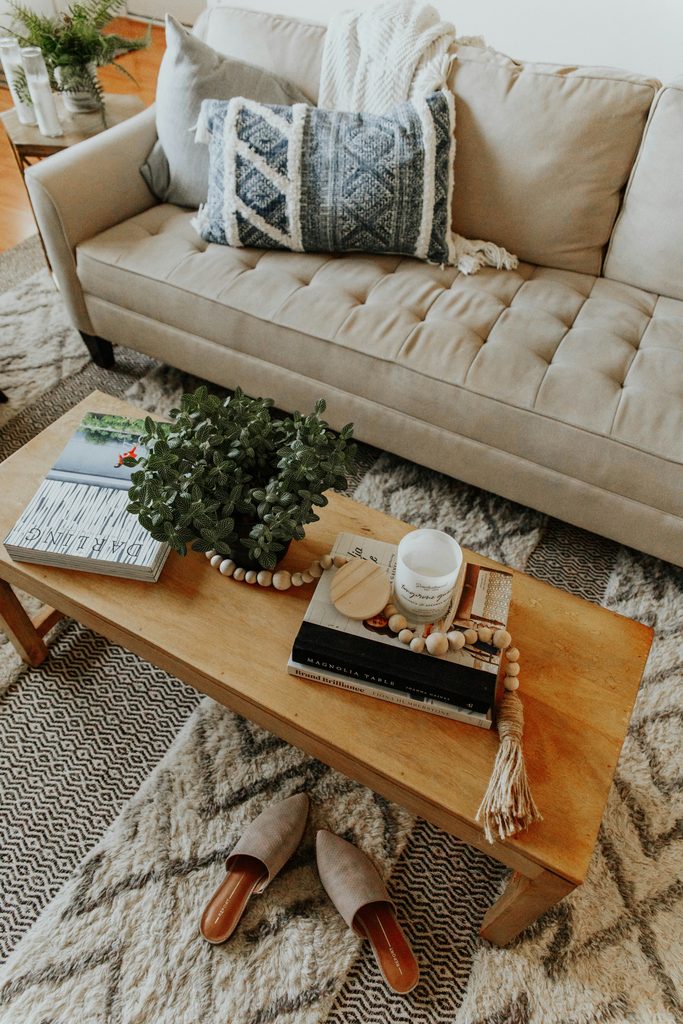
The best thing about layering is that it lets you experiment without risk. A large patterned rug is a serious investment, while a smaller statement piece on a neutral base is a far gentler step. You can bring colour and pattern into a room, and if you ever fancy a change, the rest of the room can stay just as it is. Layering is also a lovely way to pair two rugs of different materials or textures. A flat-woven, smooth base topped with a softer, deeper-pile rug gives the floor a richness that a single rug can’t match.
An Oriental rug with real character in a modern room
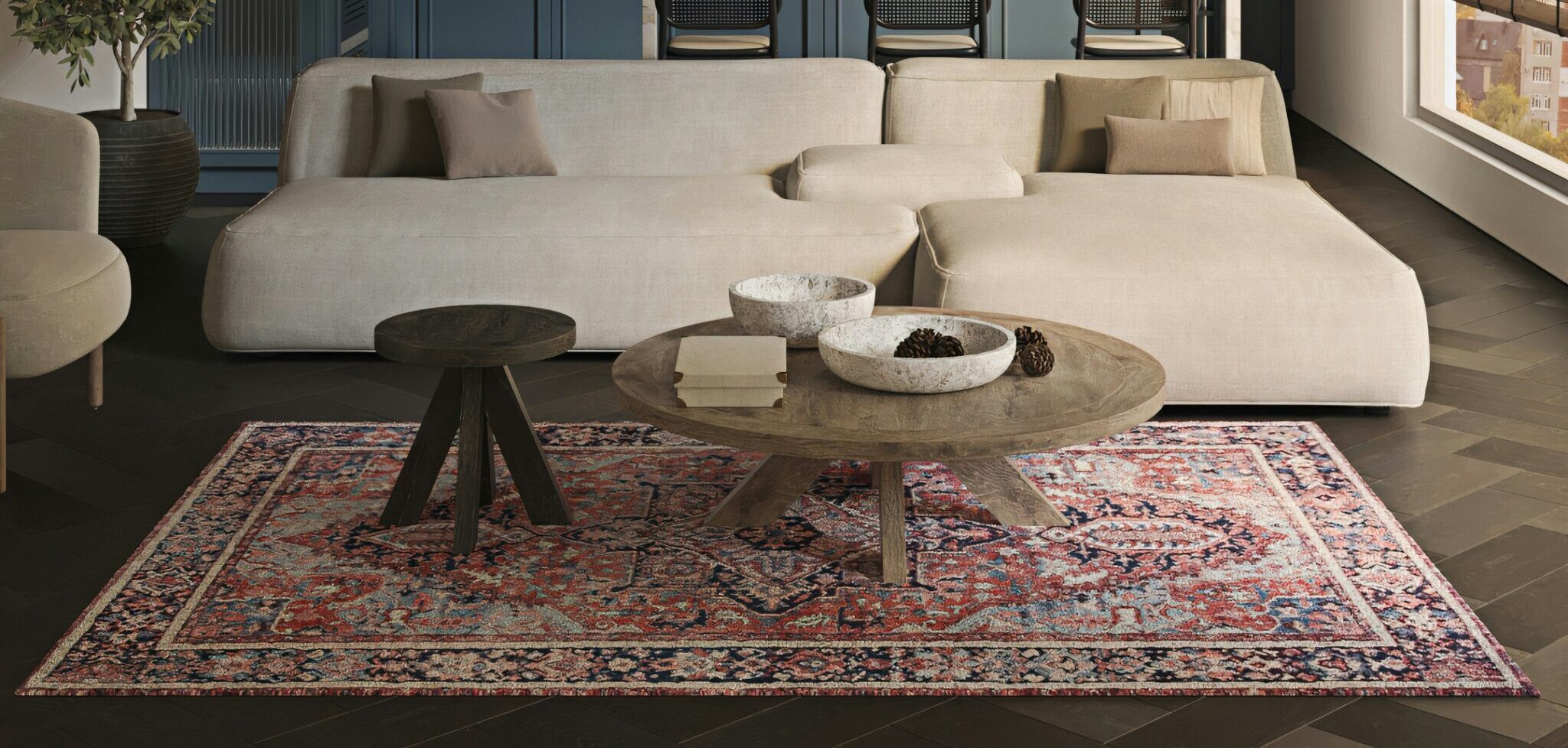
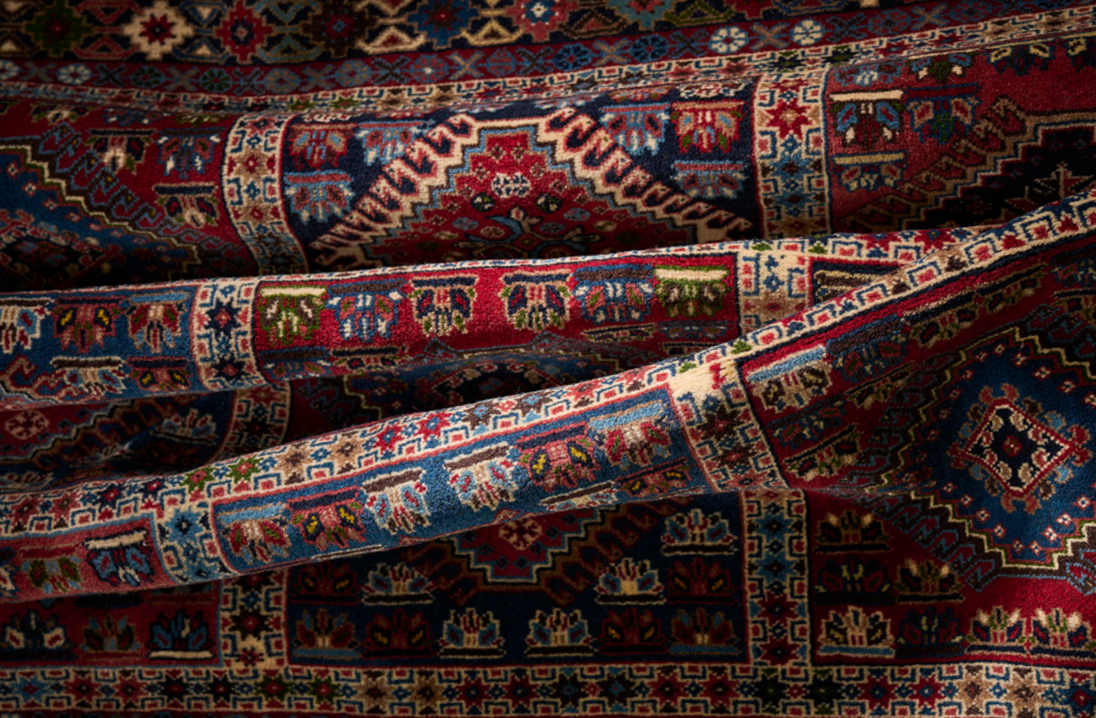
Some of the most striking effects happen when a richly patterned Oriental rug finds a home in a clean, modern interior. Understated furniture, calm wall colours and minimal lines leave plenty of space for the pattern to stand out like a piece of art. It won’t get lost among other strong elements. The pairing works especially well when the room’s colours pick up a shade or two from the rug’s palette. That way the rug doesn’t compete with the room. It belongs to it.
Old and new, neutral and vintage
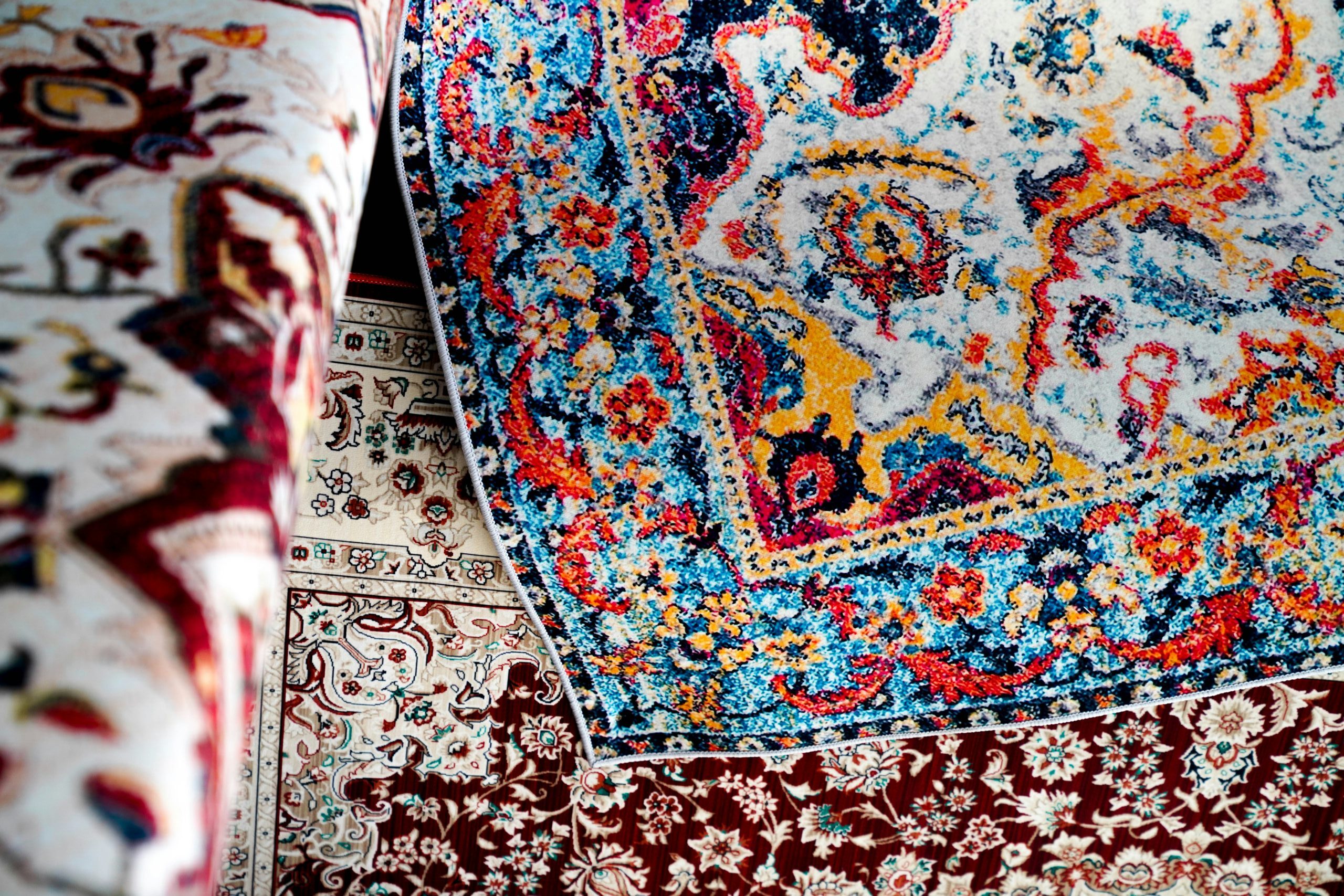
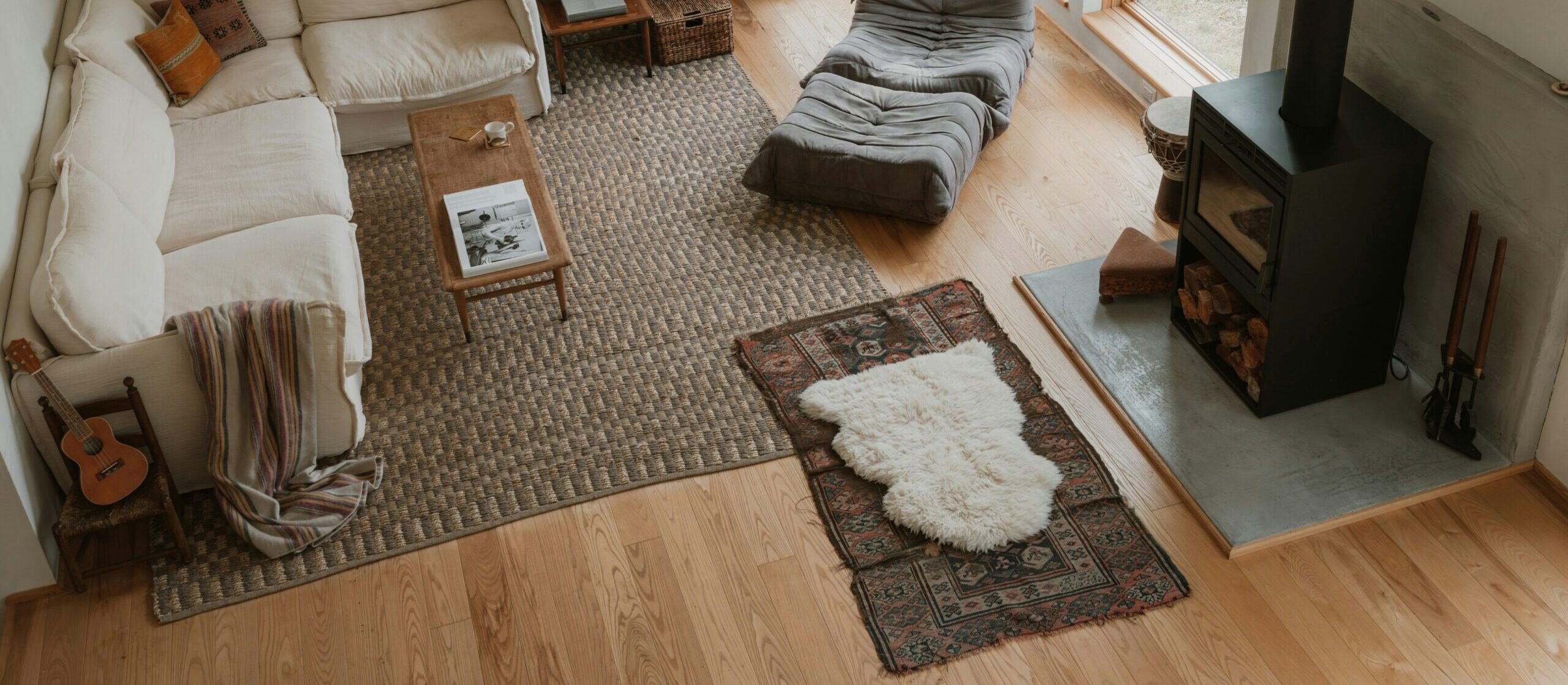
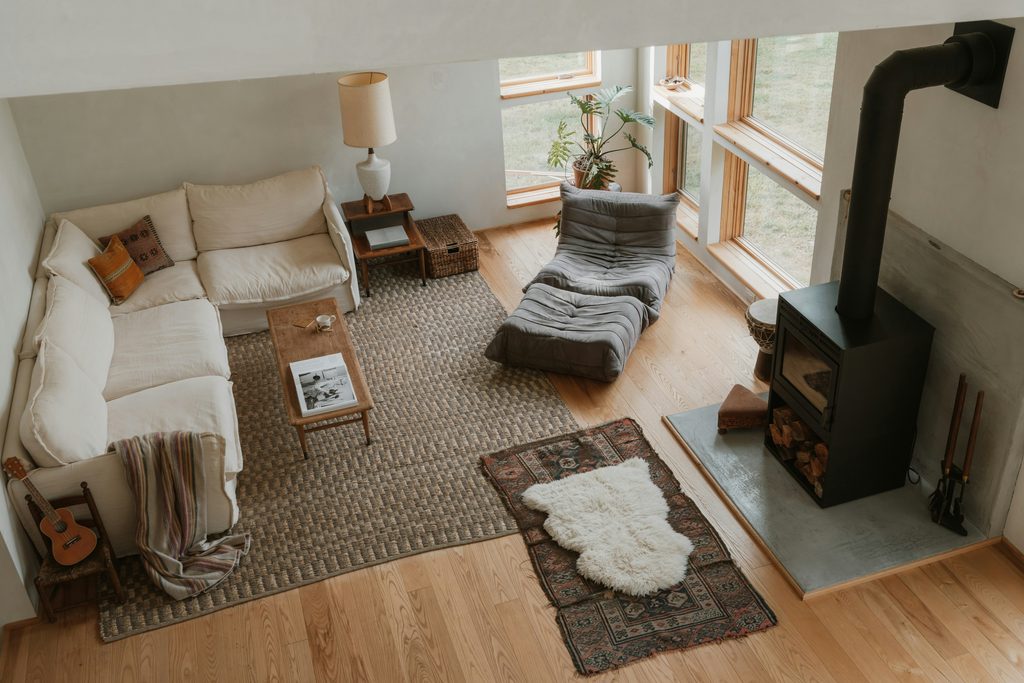
One of the loveliest ways to layer is to place a worn, characterful vintage rug on a brand-new neutral base. The calm simplicity of the base anchors the older piece, while the vintage rug brings stories and imperfections that a new rug simply can’t have. It also works the other way round: a simple modern rug laid over an old, softly aged one creates a similar effect. Either way, the room feels as though it came together over time rather than all at once. The key is to link the two colour palettes somehow. If the faded tones of the vintage rug echo in the base, the pair looks deliberate rather than random.
The patterned rug that hides the marks of daily life
Layering has a very practical side too. A busy, densely patterned top rug is excellent at covering small signs of wear or stains on the one beneath it. Among so many colours and shapes, a small irregularity simply goes unnoticed. That makes layering a smart choice for high-traffic spots, such as the entrance or the area in front of a sofa, where a single plain rug would show daily use much sooner.
Giving smaller rugs a new role
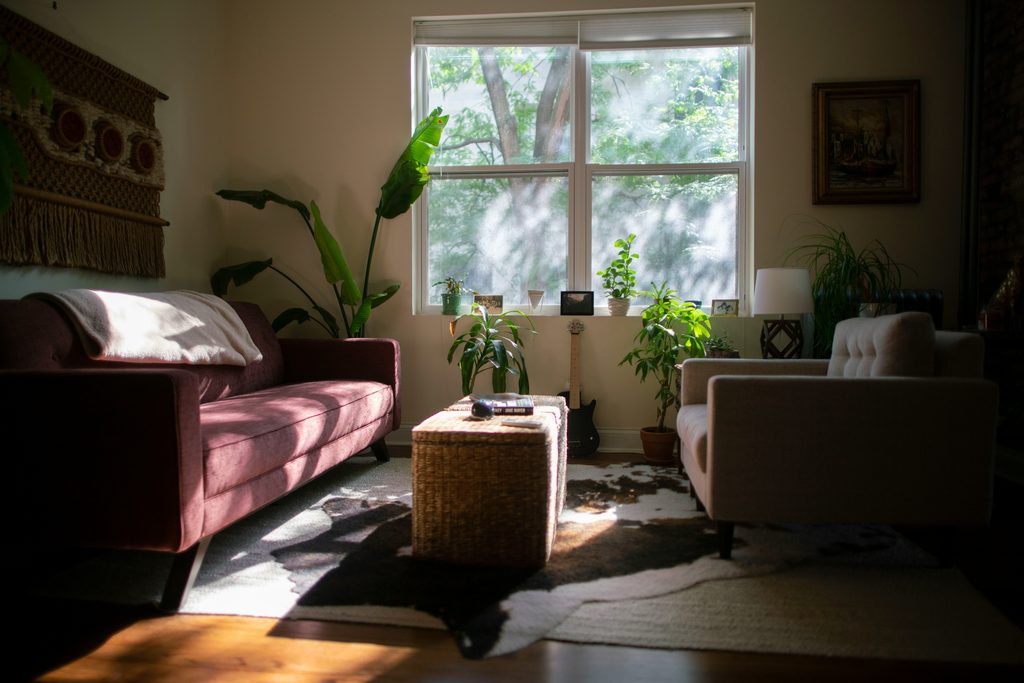
Layering is also a good answer if you already own several smaller rugs that never quite came together when scattered around the room. Lay down a large, solid-colour base rug, and it will cover most or all of the floor. Your smaller pieces can then take on a decorative role and go where they’ll be seen: in front of an armchair, beside the bed or in a reading corner. They become accents, instead of trying to fill the space on their own and getting a little lost.
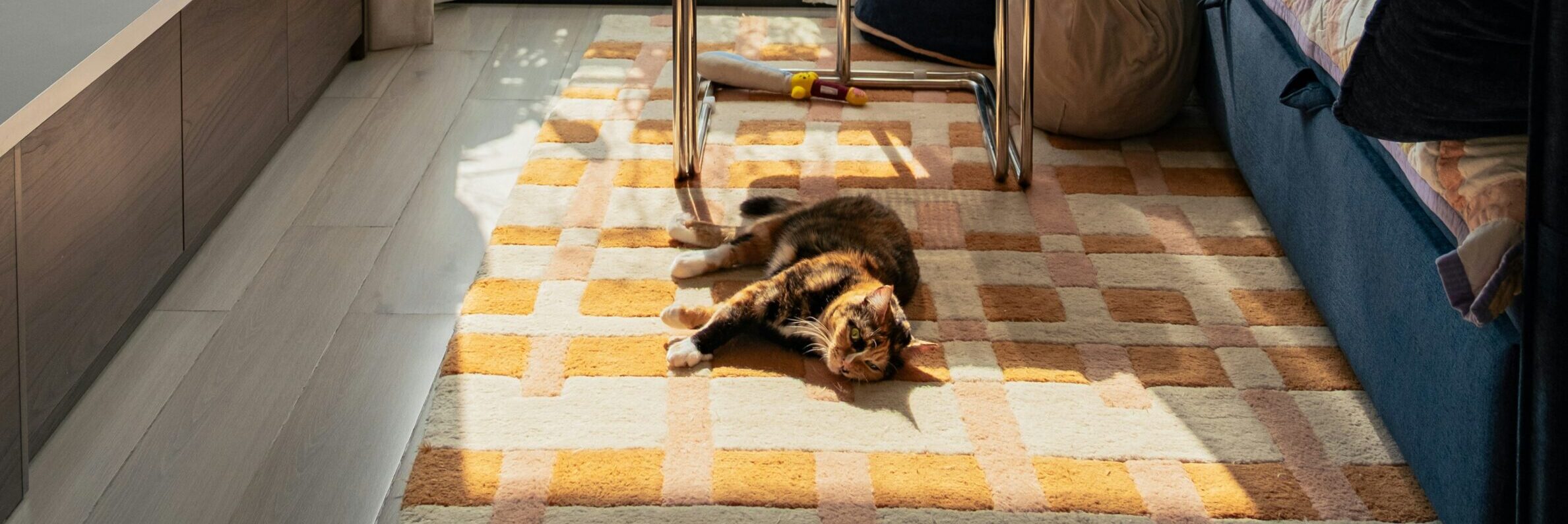
There’s a handy side effect, too: it solves the problem of small rugs sliding around. Thinner, flat-woven or kilim-style pieces tend to slip on smooth floors like parquet or tile, so they need a non-slip pad. Placed on a larger base rug that sits firmly in place, they get all the grip they need from the base itself. It also adds a thicker, softer layer underfoot, so you stop the slipping and make the floor more comfortable at the same time.
What to watch for: size, direction, texture
A few simple rules decide whether your layered rugs look intentional or accidental. When it comes to size, the top rug should be clearly smaller than the base, roughly half to two-thirds of its size, so that a border of the base shows all the way around. If the two rugs are too close in size, the whole thing looks like a mistake rather than a decision.
For direction, there are two approaches that work. The top rug can run parallel to the main lines of the room, which gives a calmer, more orderly look. Or it can be placed deliberately at a slight angle on the base, which feels more relaxed and eclectic. What doesn’t work is something halfway between the two, because it looks inexact rather than intentional.
With texture, think in terms of contrast. A flat-woven, low base topped with a plusher, deeper-pile rug works well. Two thick, plush rugs stacked together, on the other hand, tend to slide and bunch up, and the effect is messy rather than layered. Finally, try to make sure only one of the two rugs has a really bold pattern. If both are strongly patterned, the result can easily look crowded, and the patterns end up fighting each other instead of working together.