Yalameh – The living heritage of southern Iranian rug art
Rose kilim rugs are handwoven Moldovan and Turkish masterpieces with floral motifs and a rich history. Each piece tells a unique story and brings cultural heritage into modern interiors.
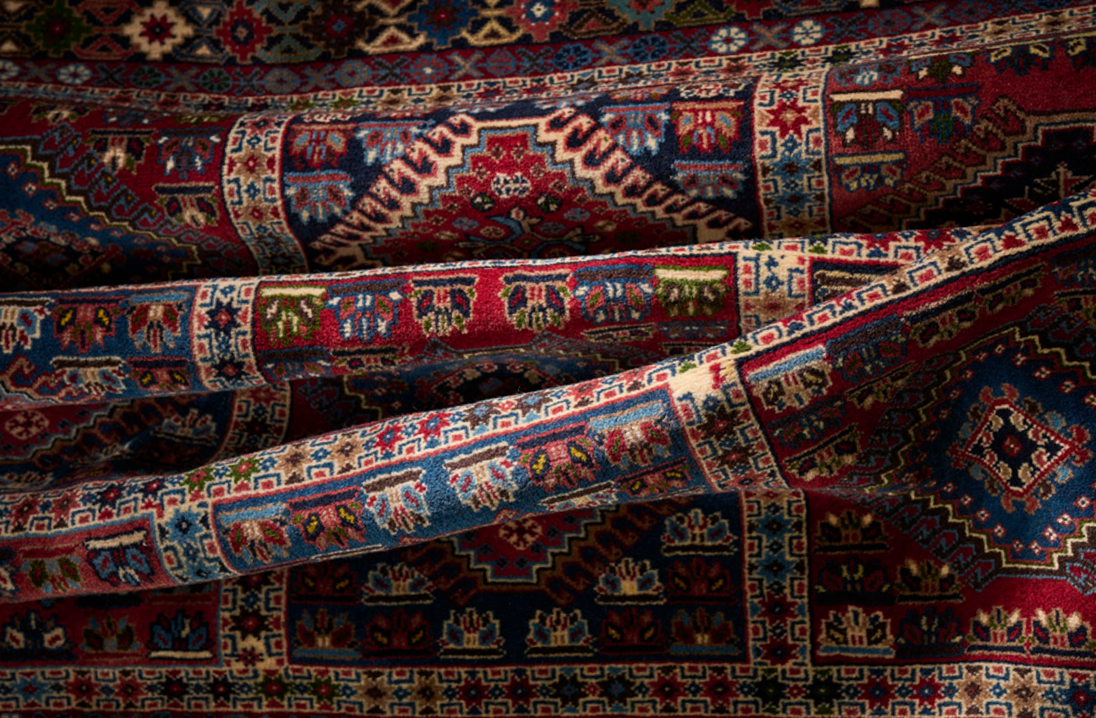
South of the city of Isfahan, around the settlement of Ali Abad in Fars Province, a vibrant rug-making tradition developed. One of its most distinctive creations is the exceptionally colourful Persian rug known as Yalameh. These rugs were formerly referred to as Shekarlu, although such pieces were rare and stood out mainly for their vivid colours within the relatively limited palette of southern Iranian rugs, which was dominated by red and dark blue.
During the 1960s and 1970s, as traditional Shekarlu rugs became less common, a new type appeared on international markets: the Yalameh. This rug retained the rich colours of its predecessors but introduced more distinctive blue tones and usually a more uniform pattern structure. Modern Yalameh rugs clearly reflect the harmonious coexistence of tribal aesthetics and meticulous craftsmanship.
These rugs typically have a knot density of 250,000–350,000 knots per square metre and are made exclusively from high-quality, machine-spun wool with a soft texture and lustrous finish. Their designs feature geometric motifs, bold outlines and clear colour contrasts. Shades of pink, blue, green, yellow and red appear in subtle variations, creating a rich visual effect. Although the colours may feel more contemporary, the motifs are deeply rooted in Iranian folklore, Persian mythology and the visual language of nomadic tribes.
Yalameh rugs offer more than aesthetic value. They also form a cultural bridge between traditional tribal art and modern tastes. This is why they have become highly sought after not only in Iran, but also among collectors and connoisseurs around the world.
Aktscha rugs – Warm-toned classics of Turkmen tradition
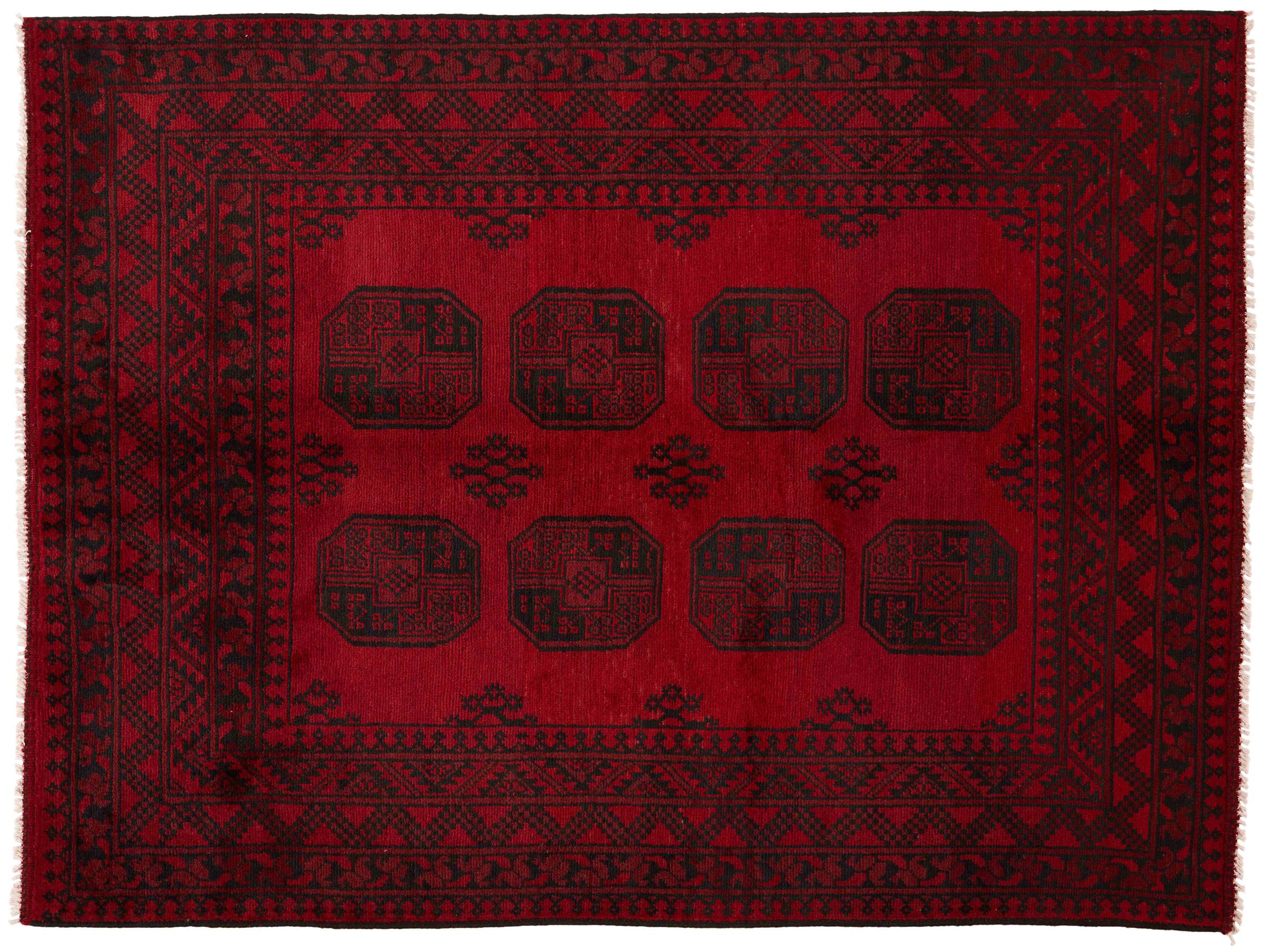
Aktscha rugs are a living expression of Turkmen nomadic traditions, with every knot carrying the heritage of Central Asian rug culture. Their deep red ground and traditional gul motifs create a bold yet harmonious visual character. Each piece brings individuality and a sense of history into the home.
2-ply and 3-ply Pakistani rugs – Soft wool and harmonious oriental patterns
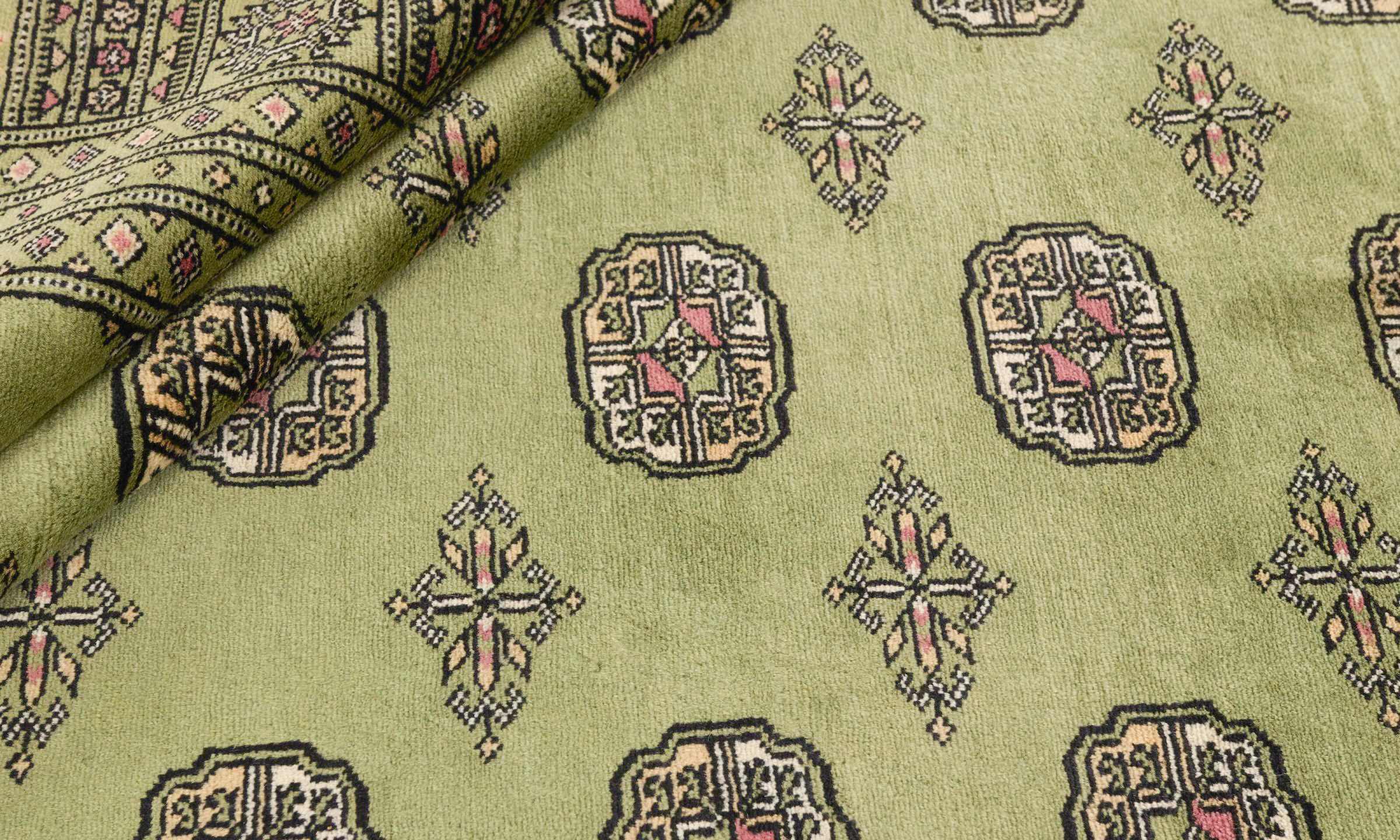
These rugs carry forward the refined legacy of Central Asian nomadic traditions, where the orderly simplicity of Tekke and Bokhara patterns meets Pakistani craftsmanship. Their warm colours and soft wool create a cosy, balanced atmosphere.
Afghan kilim rugs – Ancient nomadic weaving traditions in modern homes
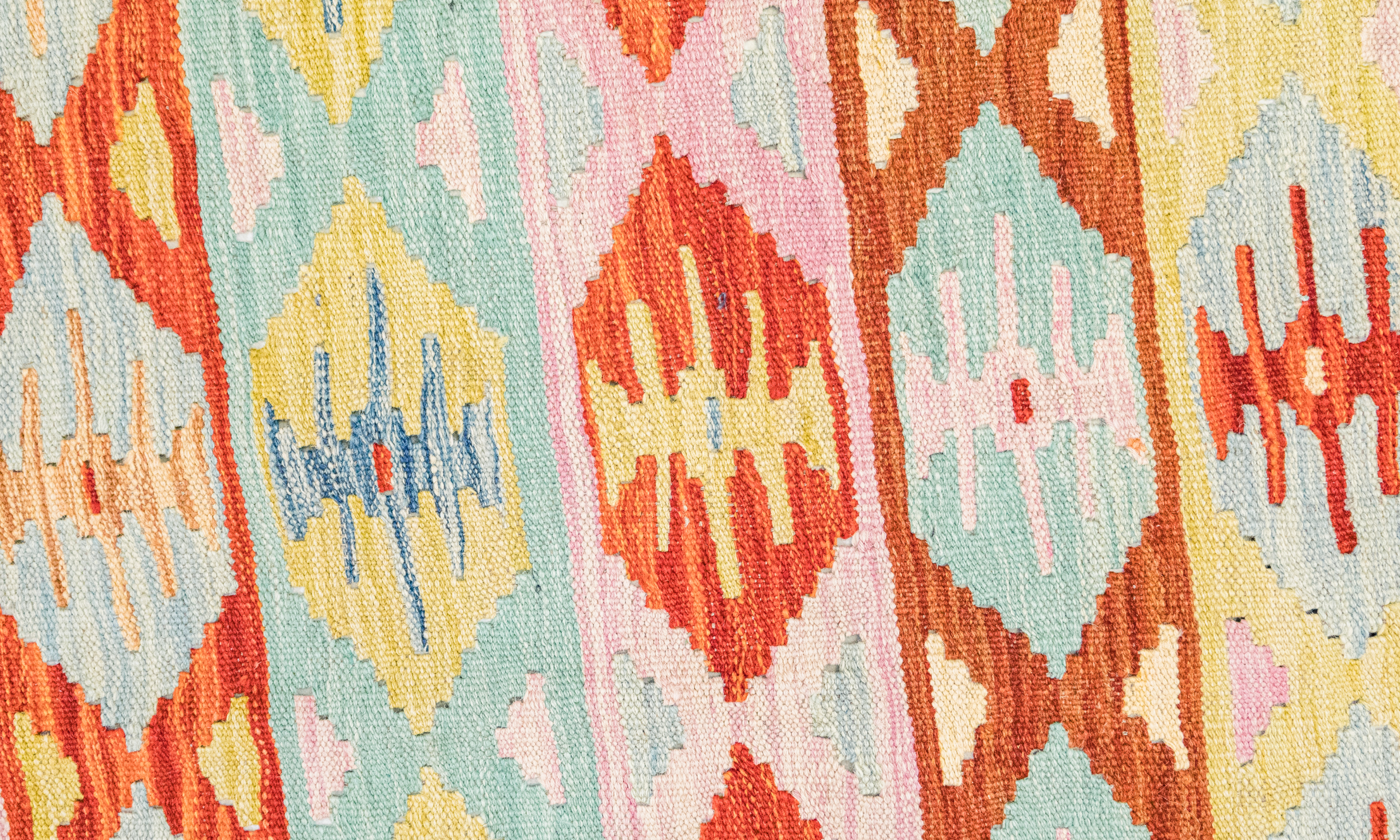
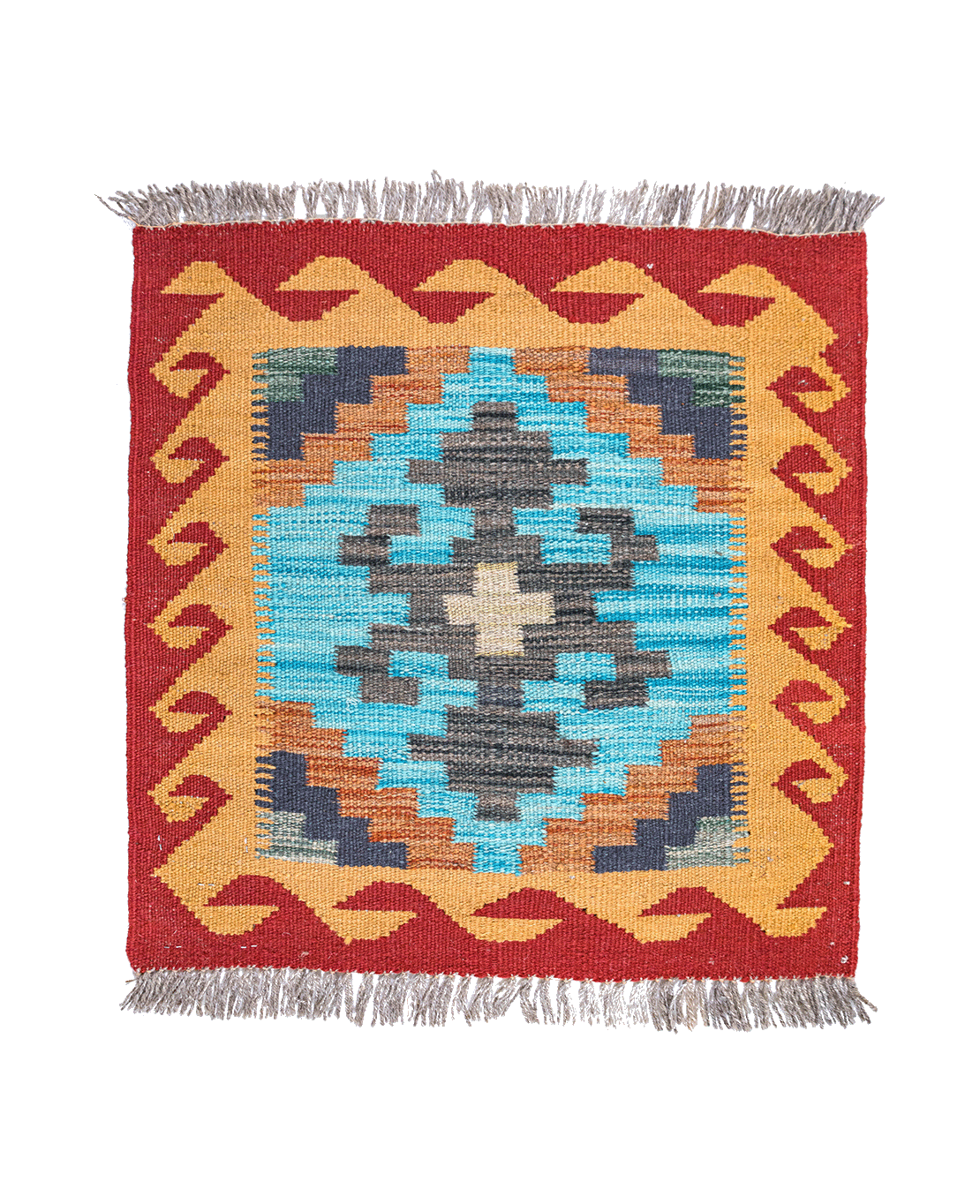
Afghan kilim rugs represent one of the oldest forms of Eastern nomadic weaving tradition, featuring a flat, reversible construction and geometric patterns. Durable and easy to use, their natural materials make them a timeless choice for both modern and classic interiors.