Ziegler, Ziegler Malmuk and Ziegler Ariana – Craftsmanship, tradition and aesthetic heritage through the eyes of collectors
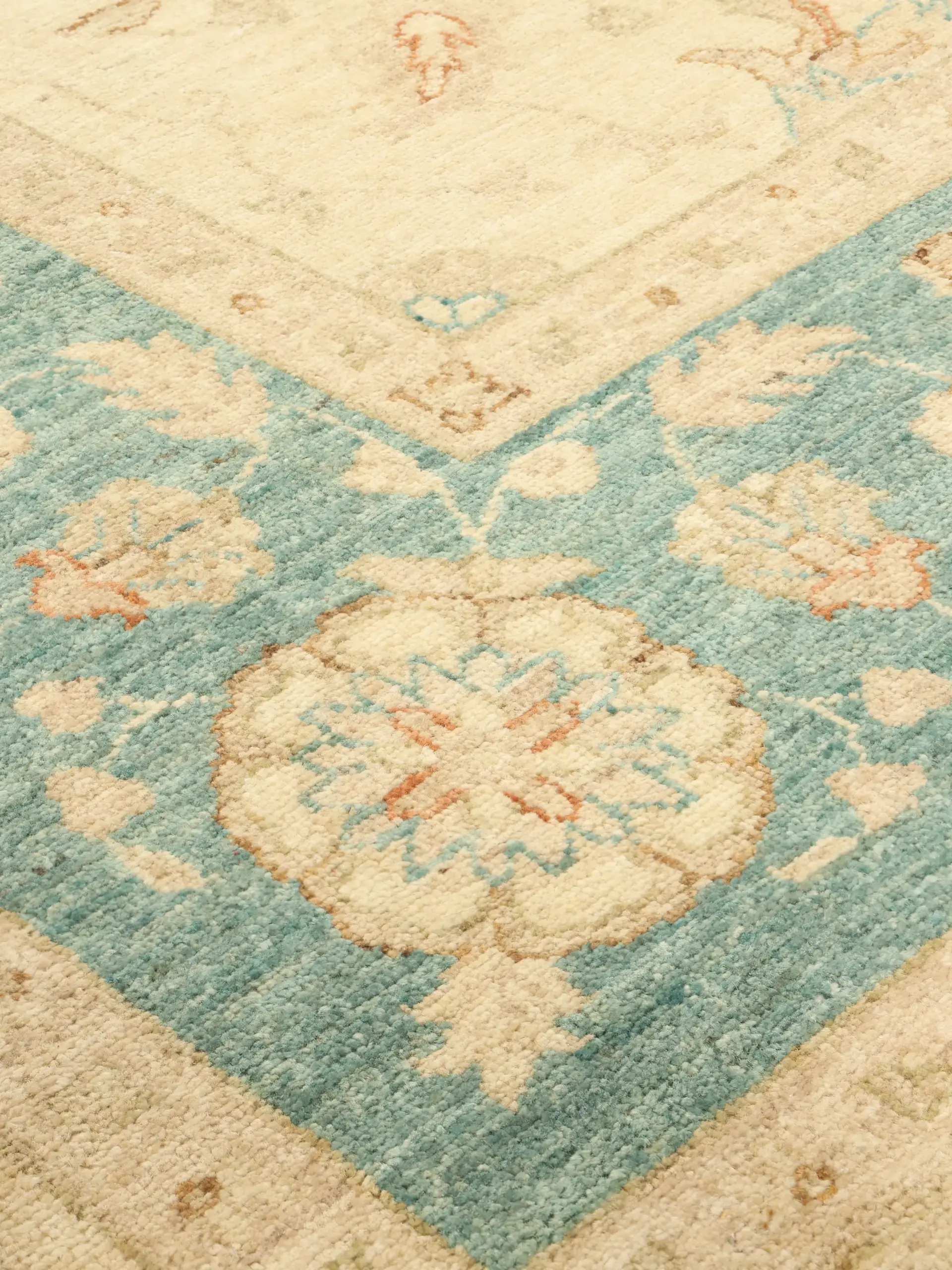
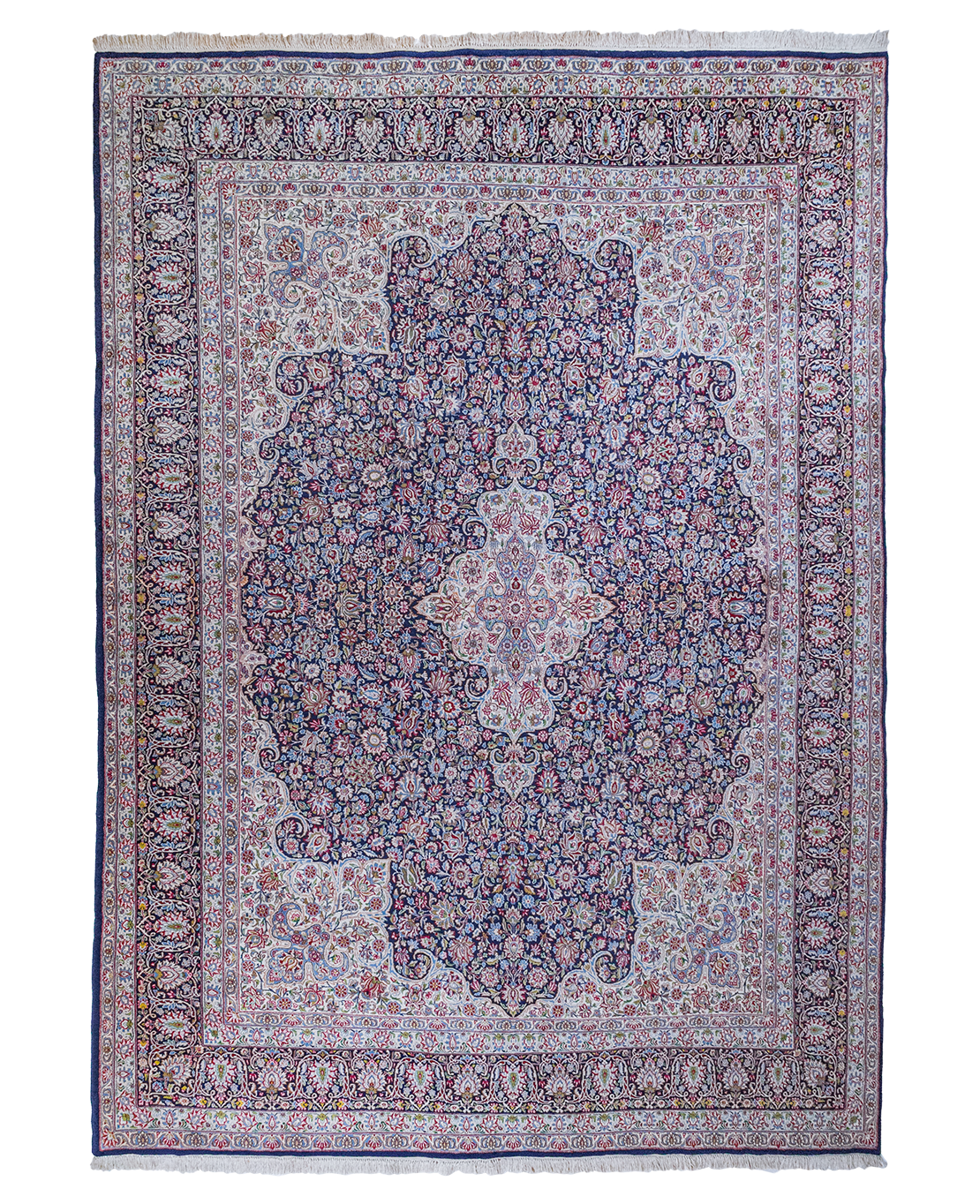
Ziegler, Ziegler Malmuk and Ziegler Ariana rugs are hand-knotted works of art with significant aesthetic and cultural value. They combine Persian tradition with Western taste, creating timeless pieces for collectors.
The Ziegler name emerged at the crossroads of oriental rug making and Western art collecting. Based in Manchester, the company established its own workshop in Arak during the 1870s, one of the leading centres of Persian rug production. Its goal was both ambitious and forward-looking: to create rugs that combined the enduring quality and intricate ornamentation of Persian craftsmanship with the decorative and practical demands of Western markets.
The rugs created by Ziegler reinterpreted the classical Persian design language through Western-style pastel colours and proportions. This aesthetic compromise did not diminish the genre, but elevated it to a new level. The original pieces were made from the late 19th century until the outbreak of the First World War. Today, these early rugs appear at the world’s leading auction houses and are treasured highlights of prestigious collections.
In the modern era, the Ziegler tradition is continued by craft centres in countries such as Afghanistan and Turkmenistan, where local nomadic communities create these rugs by hand using knowledge passed down through generations, natural dyes and traditional techniques. Their motifs—stylised flowers, leaves and refined symmetry—have always been hallmarks of Ziegler design. The colour palette, including madder red, burnt sienna and umber, ochre, indigo blue and henna orange, is earthy yet sophisticated. Intensive washing and sun drying create a distinctive patina that gives every piece its own authentic character.
Ziegler, Ziegler Malmuk and Ziegler Ariana rugs are made with a knot density of 150,000–250,000 knots per square metre. This ensures premium quality while preserving the organic, lively character of handmade rugs. Alongside their refined texture and appearance, these rugs are exceptionally durable. Even after a century of use, many retain their colour, structure and distinctive character.
For collectors, a Ziegler rug is more than an aesthetic investment. It is a cultural and historical artefact that forms a bridge between East and West, past and present, function and art. Each piece tells its own story, bringing together craftsmanship, geographical identity and artistic vision.
Aktscha rugs – Warm-toned classics of Turkmen tradition
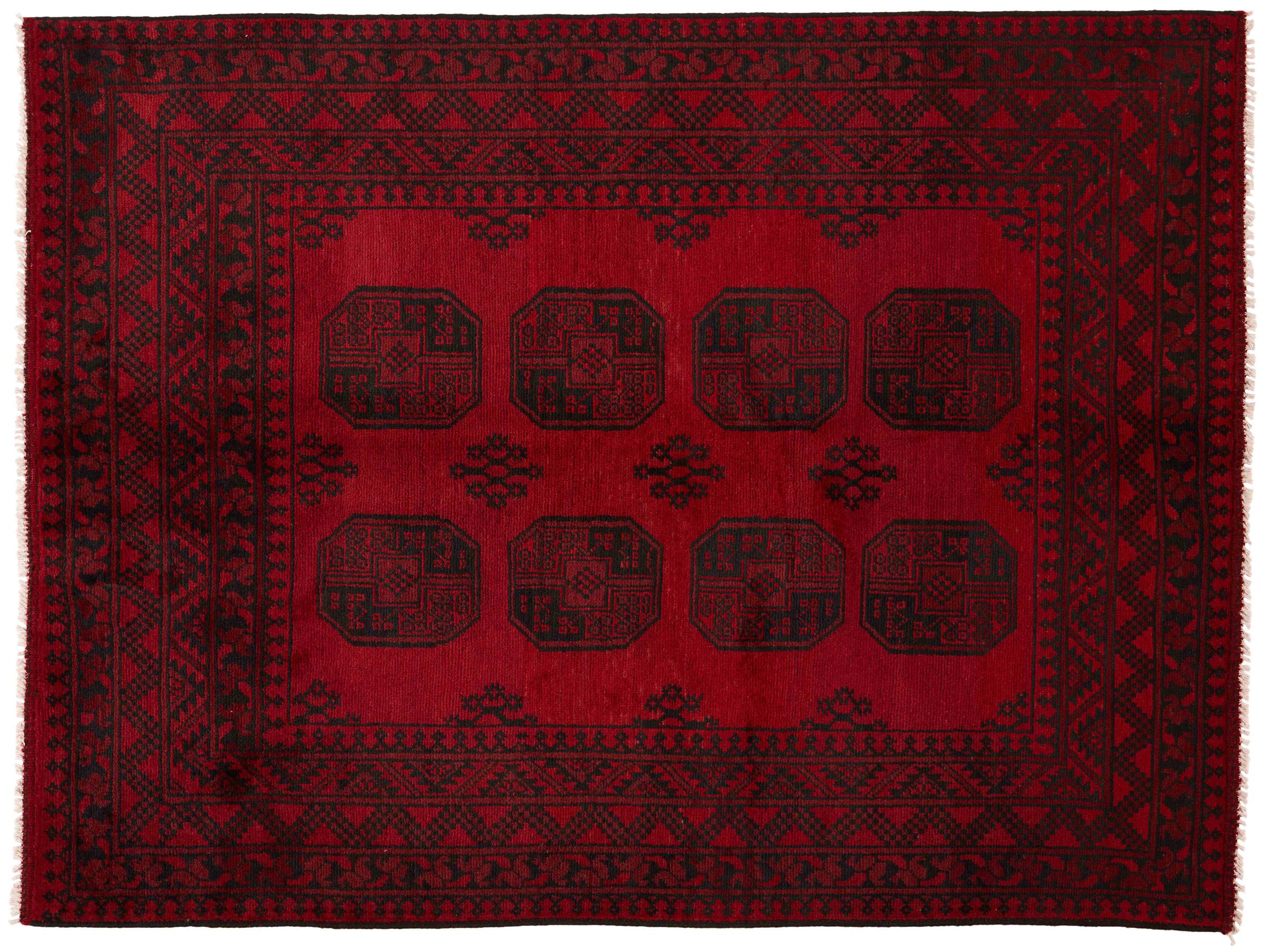
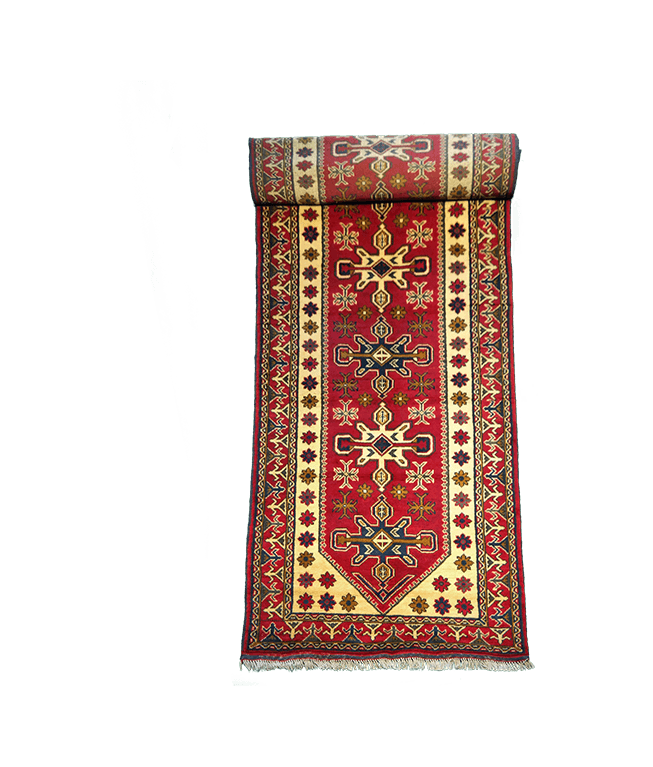
Aktscha rugs are a living expression of Turkmen nomadic traditions, with every knot carrying the heritage of Central Asian rug culture. Their deep red ground and traditional gul motifs create a bold yet harmonious visual character. Each piece brings individuality and a sense of history into the home.
2-ply and 3-ply Pakistani rugs – Soft wool and harmonious oriental patterns
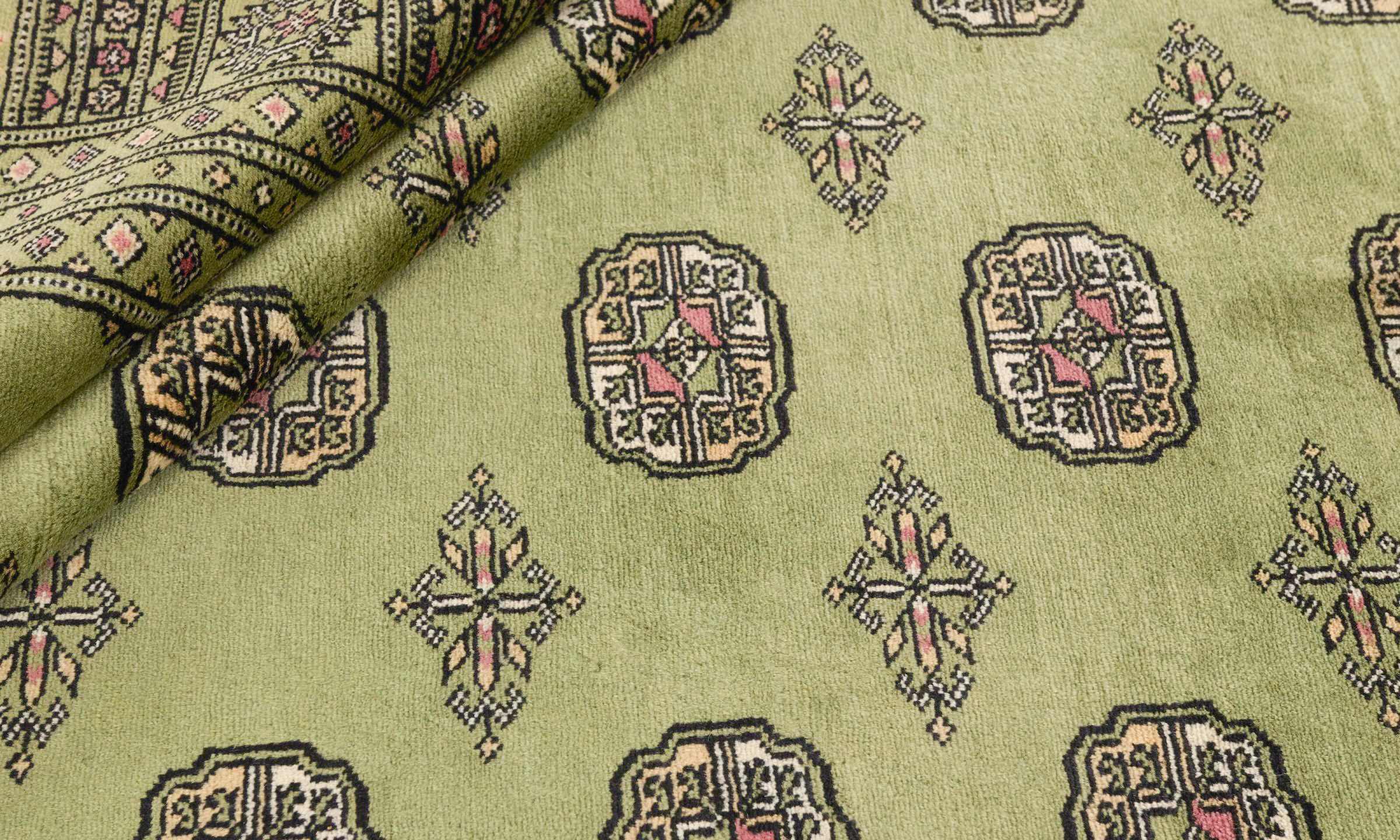
These rugs carry forward the refined legacy of Central Asian nomadic traditions, where the orderly simplicity of Tekke and Bokhara patterns meets Pakistani craftsmanship. Their warm colours and soft wool create a cosy, balanced atmosphere.
Afghan kilim rugs – Ancient nomadic weaving traditions in modern homes
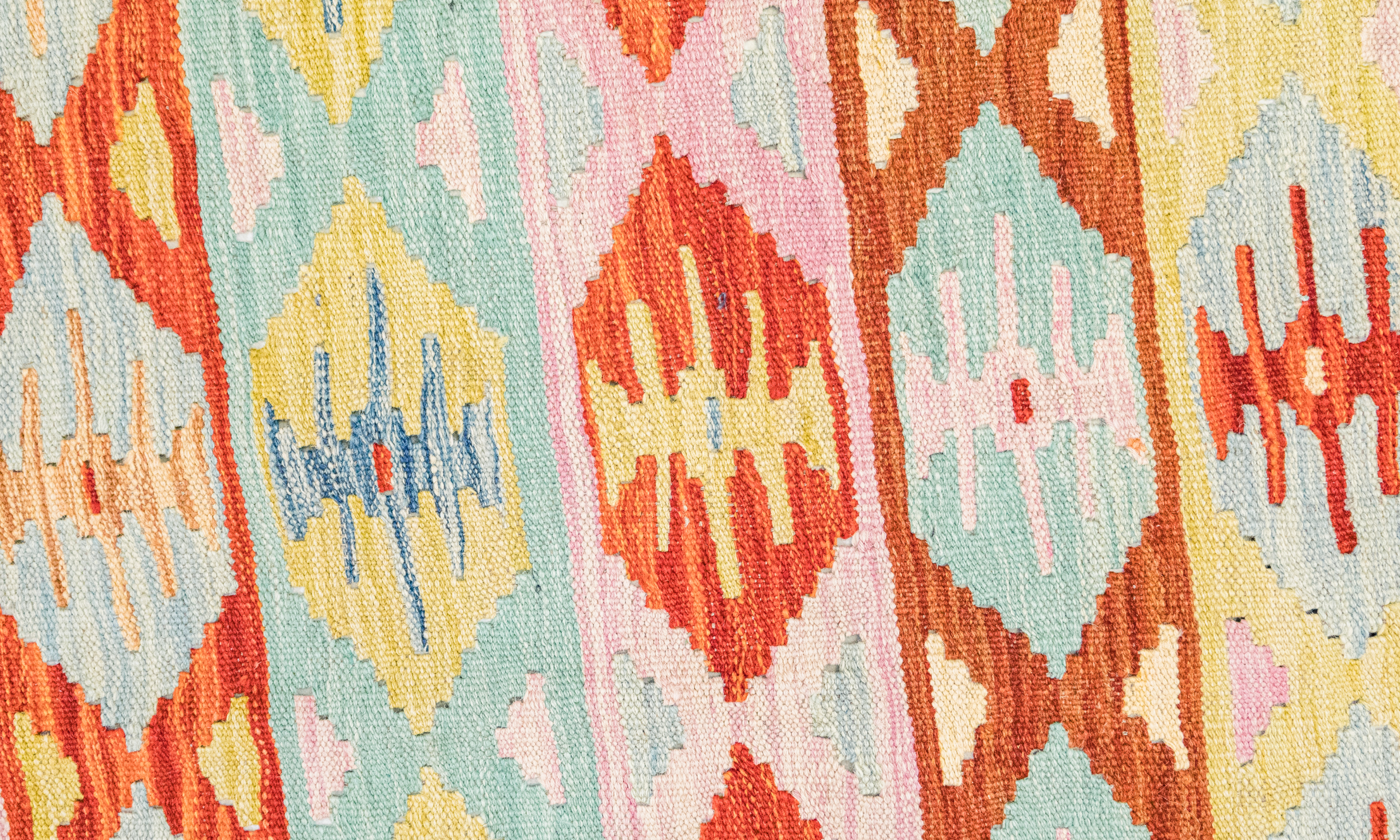
Afghan kilim rugs represent one of the oldest forms of Eastern nomadic weaving tradition, featuring a flat, reversible construction and geometric patterns. Durable and easy to use, their natural materials make them a timeless choice for both modern and classic interiors.