Blog
The origins and characteristics of Kashghai rugs
Kashghai (Qashqai) rugs are associated with the Qashqai tribe, one of the largest and best-known nomadic tribes of the East. The tribe is believed to have migrated from the Caucasus region in the 18th century to its present homeland in Fars Province, around Shiraz. Kashghai rugs represent one of the most iconic branches of Persian tribal weaving and are widely regarded as some of the finest nomadic rugs.
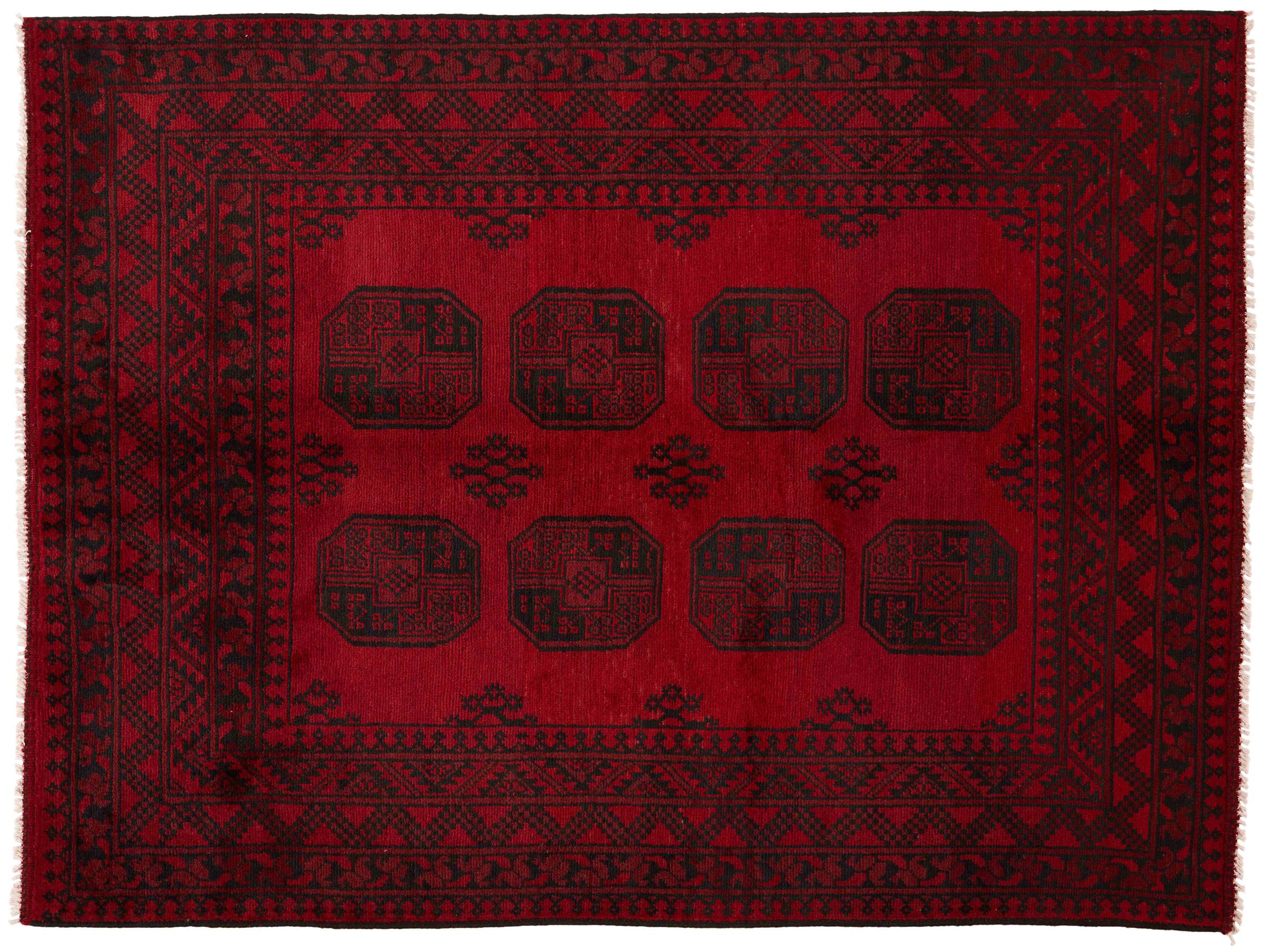
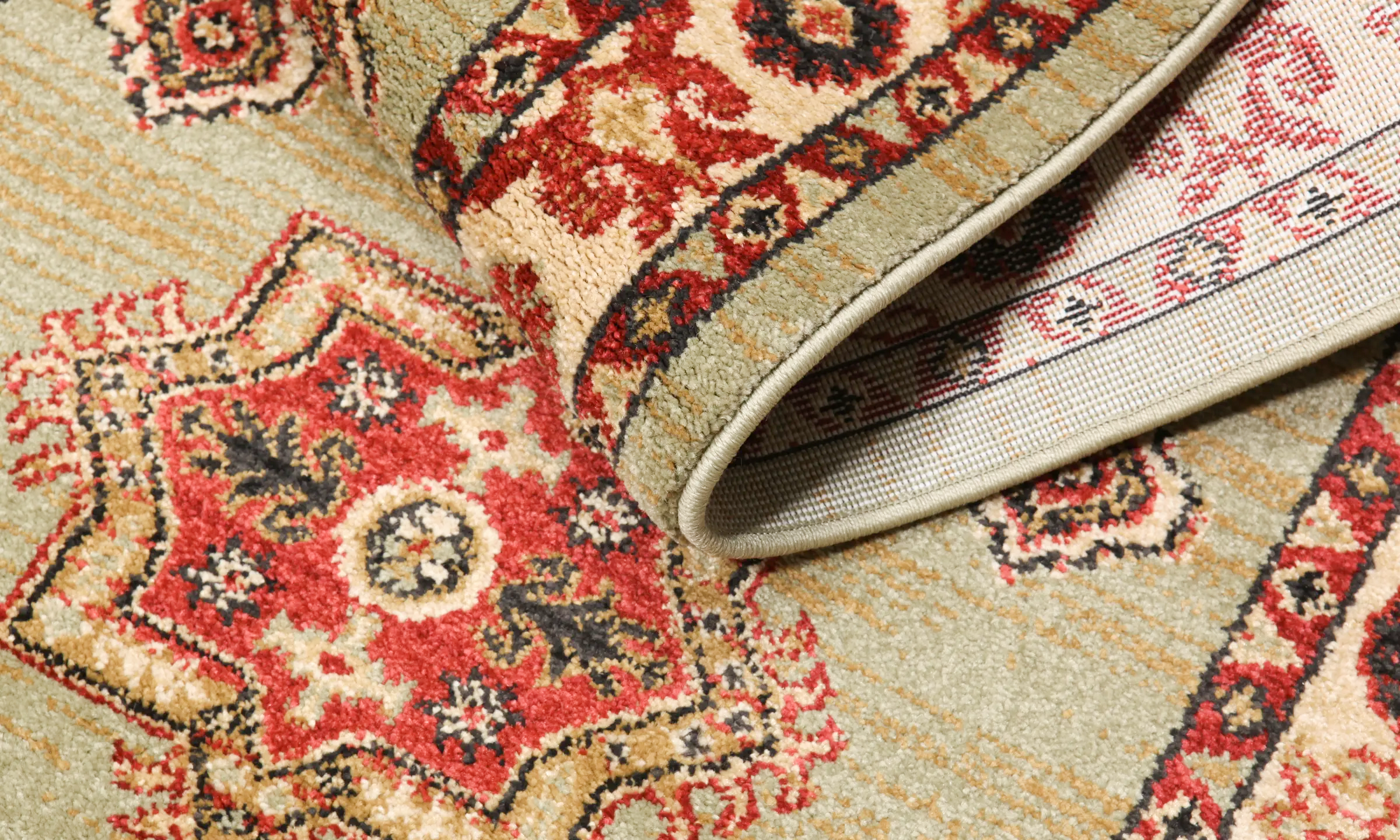
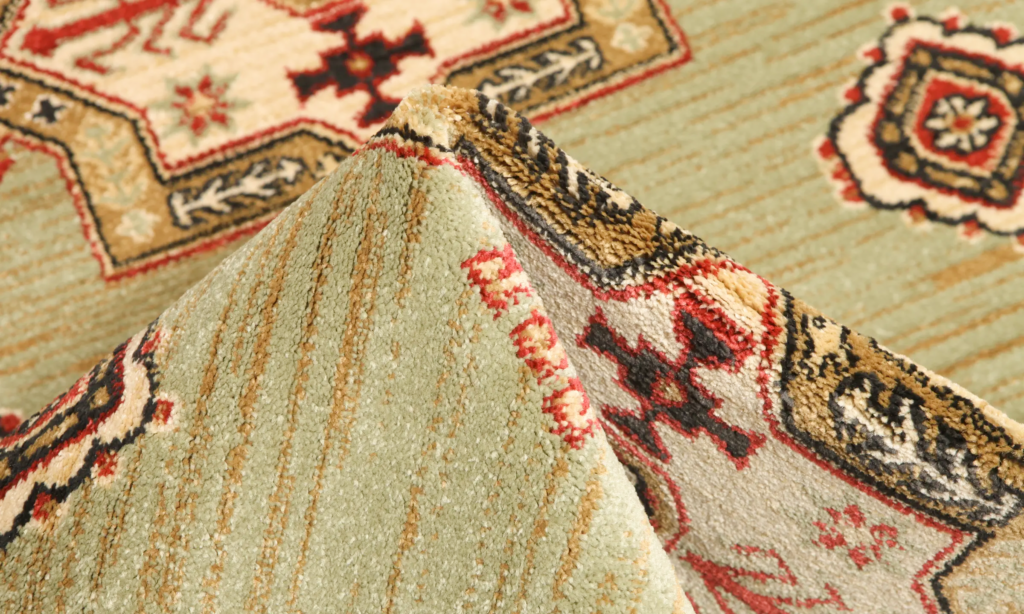
Kashghai rugs are made entirely from wool and feature a robust, durable construction with a distinctive ribbed reverse. Their knot density typically ranges from 150,000 to 250,000 knots per square metre, allowing for designs that are both sturdy and richly detailed. Their colour palette is dominated by strong, deep tones, especially red, which serves not only an aesthetic but also a practical purpose, as it is less sensitive to dirt and therefore well suited to nomadic living conditions.
Patterns and uses
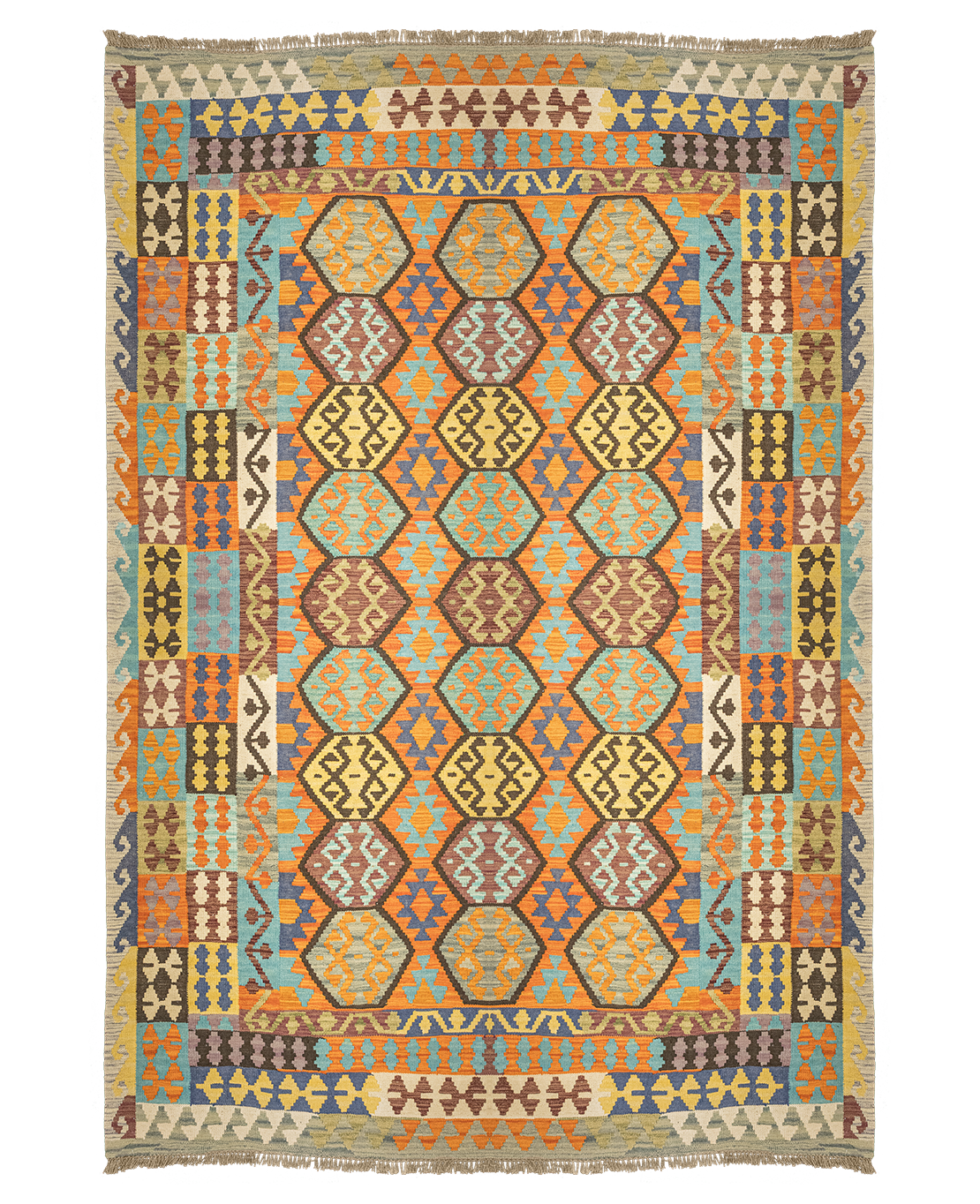
The patterns reflect the tribe’s “visual language”, featuring stylised representations of animals, plants, flowers and trees that serve as symbolic elements of the Kashghai worldview. Geometric compositions are common, as are three or five medallions arranged along a central axis. Many rugs also feature motifs associated with Persepolis, linking these pieces to the region’s historical heritage. Kashghai rugs were not made solely as floor coverings; they were also used as tent walls, blankets, saddle covers and even as parts of carrying bags, further highlighting the practical nature of tribal craftsmanship.
Interior design tips and recommended uses
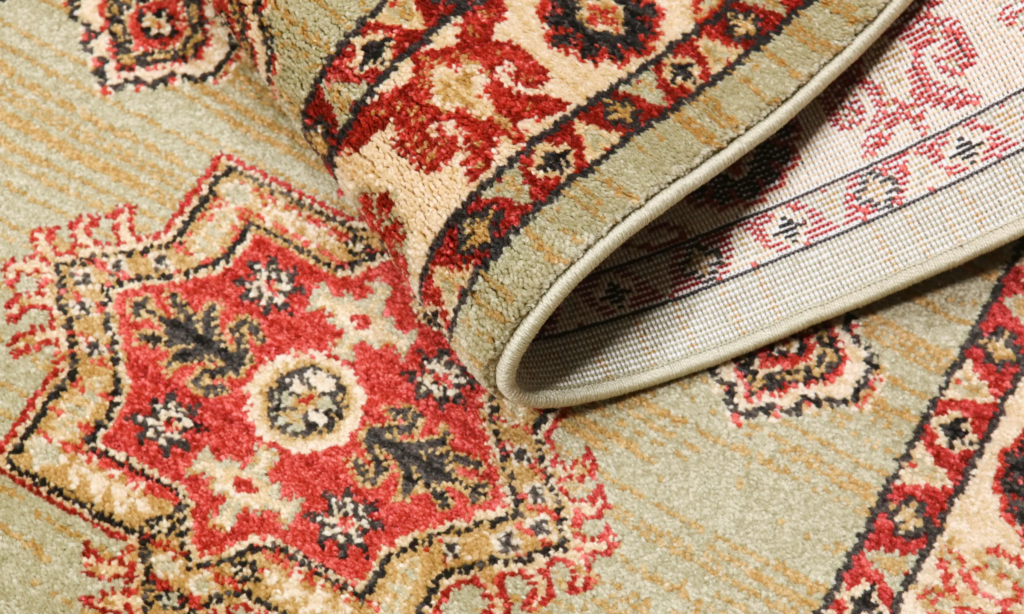
Kashghai rugs are ideal for characterful interiors thanks to their bold colours and richly detailed patterns. They work especially well in living rooms, dining rooms and larger open-plan spaces, where the rug can become the visual focal point. Interior design tip: a Kashghai rug looks best when the surrounding elements are more understated. Its deep red and blue tones appear even more vibrant alongside natural wooden furniture, leather surfaces and neutral walls. For those seeking a warmer, more lively interior, this type of rug is an excellent choice. In modern spaces, it creates an especially striking contrast, with geometric patterns and traditional tribal motifs bringing strong character to a minimalist setting. In classic interiors, it creates an elegant and timeless effect.
The value and distinctive qualities of Kashghai rugs
The distinctive quality of Kashghai rugs lies in their cultural richness and visual storytelling. Every piece reflects the tribe’s way of life, environment and symbolic world, meaning that no two rugs are exactly alike. The tradition of hand-knotting, the use of natural wool and vivid plant-dyed colours combine to create a form that is both practical and artistic. A Kashghai rug is therefore more than a home textile; it is a piece of living cultural heritage. This type is an ideal choice for anyone seeking a bold, colourful and authentic Persian rug that will bring lasting character to their home.
Source: Jamal Abdul Naser
Owner of Kabiri Carpet