Blog
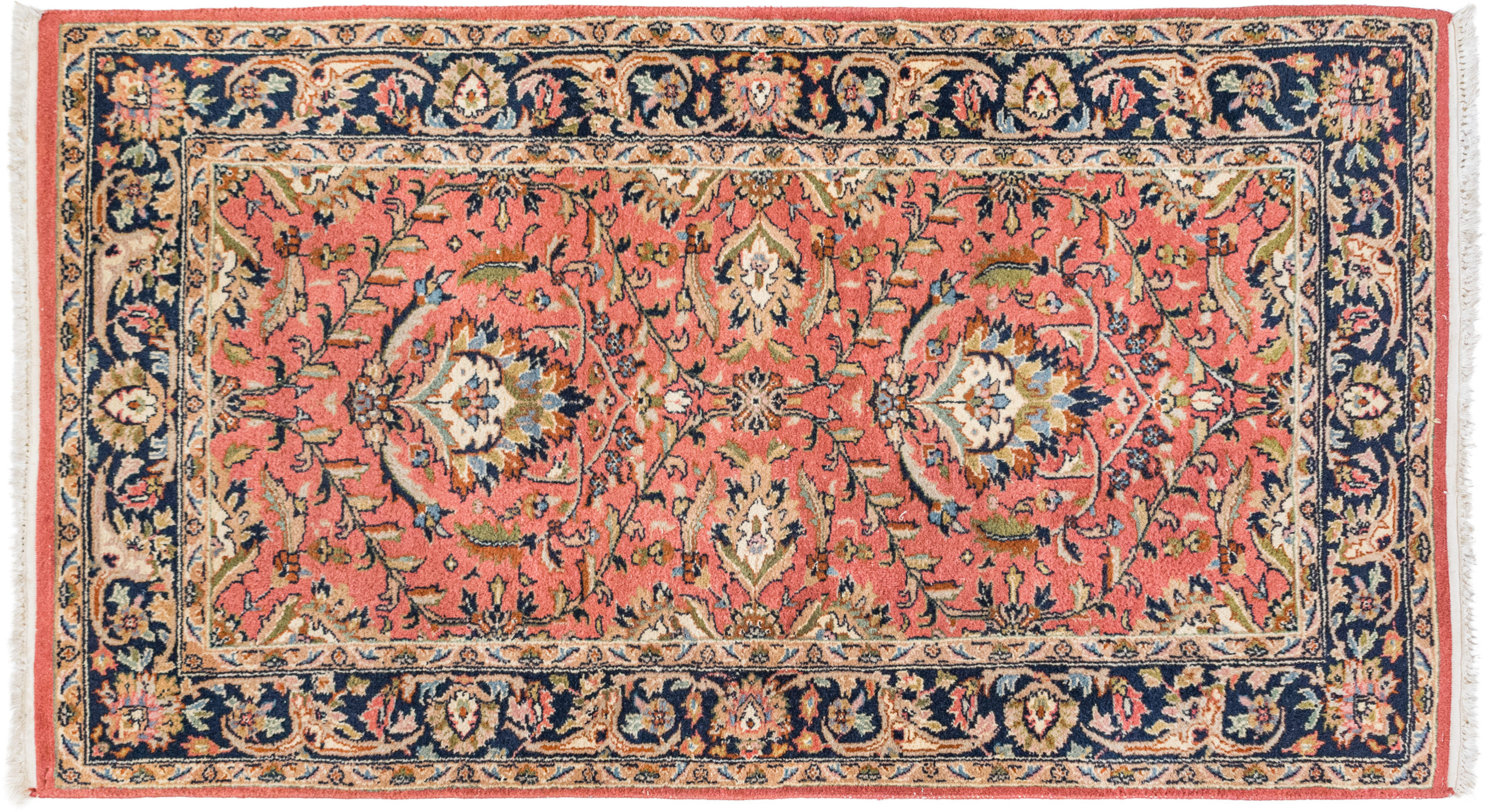
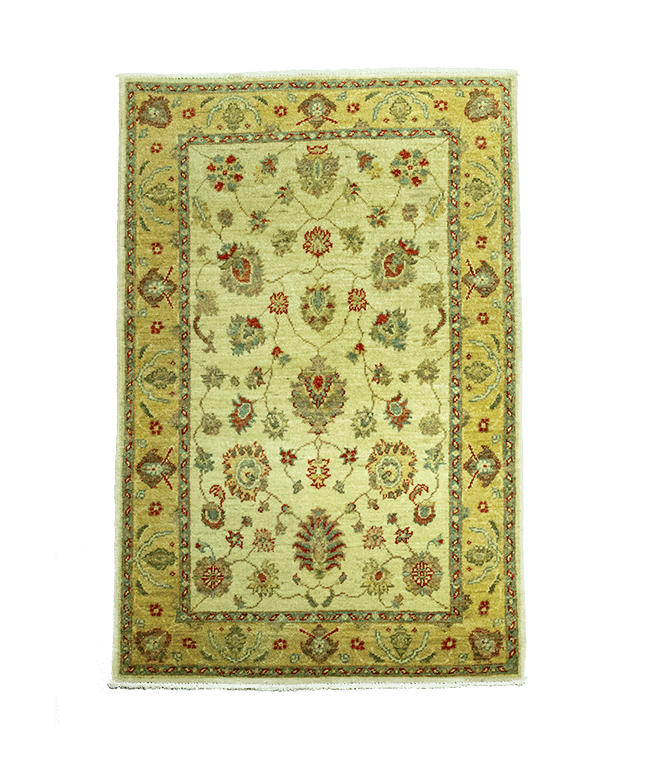
The Indian rug, or Indo-Persian rug, is the name given to oriental rugs made in India. The earliest examples date from the reigns of the Mughal emperors Akbar (1556–1605) and Jahangir (1605–1627), who brought Persian craftsmen to the royal courts of Lahore.
The strong Persian influence makes the term Indo-Persian rug particularly appropriate. Their ornamentation, however, is generally more naturalistic. In Persian rugs, branches are usually depicted as straight, while in Indian rugs they often bend under the weight of numerous flowers. The floral motifs tend to draw on summer and autumn, whereas Persian designs are often more reminiscent of spring. Indian rug patterns are also usually more open and spacious.
The finest examples are made from high-quality cashmere wool, and more rarely from silk.

Exports became significant around 1850. Growing demand also influenced production, and rugs increasingly had to be made according to selected patterns. As a result, many traditional features of Indian rug-making gradually disappeared. Some luxury Indian rugs were even designed by Venetian and French artists.
More recent rug production is generally considered less significant. These rugs are often made from lower-quality materials and use a lower knot density. Mass production appeared in the 20th century and contributed to falling prices.