Indian rugs

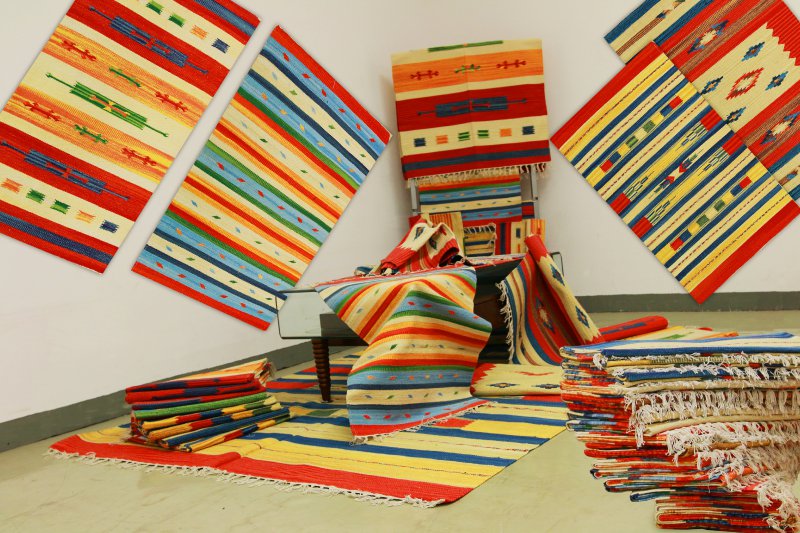
Indian rugs form an important group within oriental rugs. They show a strong Persian influence but often feature more natural, open compositions and a different approach to floral motifs.

The Indian rug, or Indo-Persian rug, is the name given to oriental rugs made in India. The earliest examples date from the reigns of the Mughal emperors Akbar (1556–1605) and Jahangir (1605–1627), who brought Persian craftsmen to the royal courts of Lahore.
kelim-majmana-300dpi

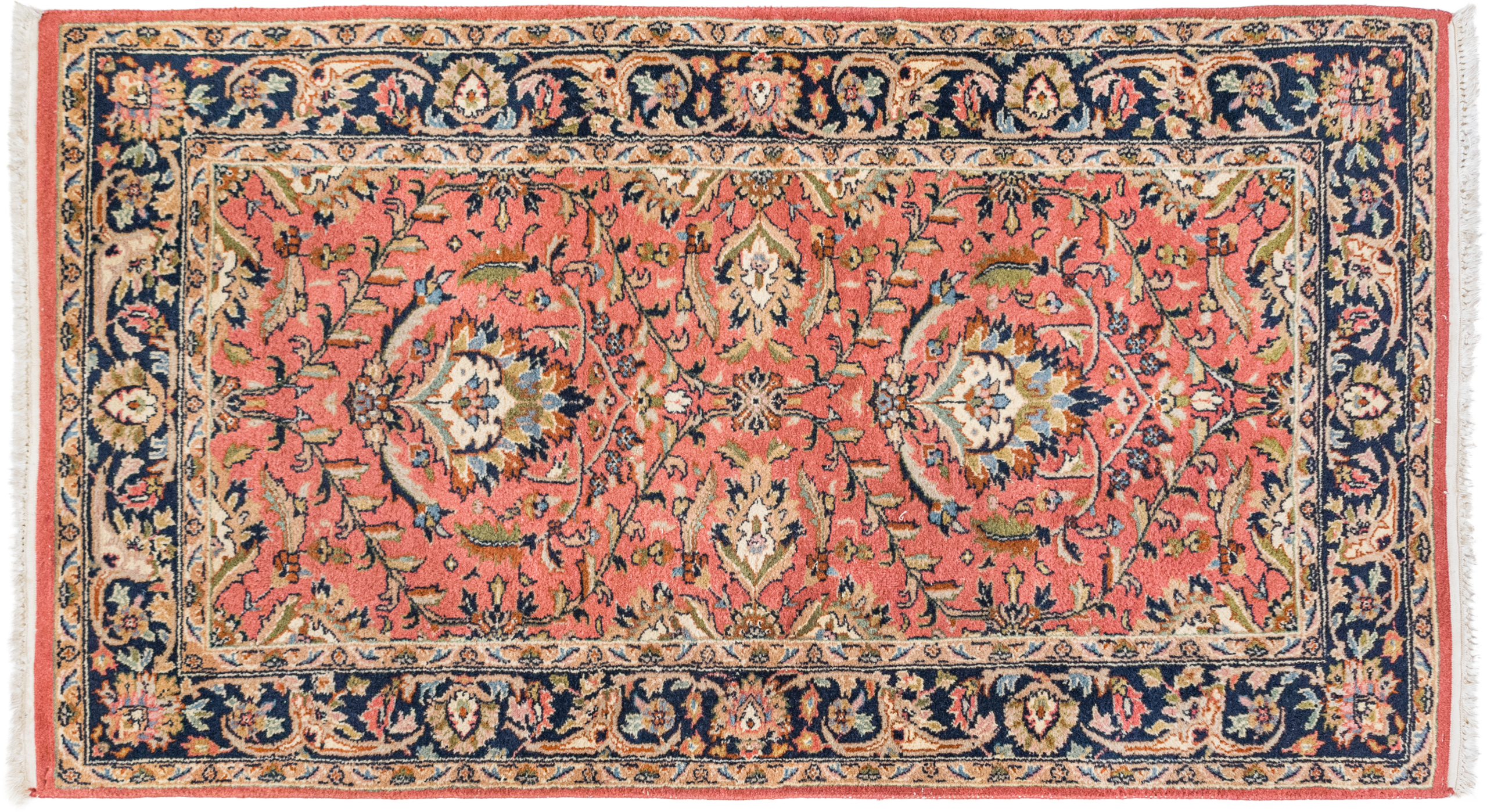
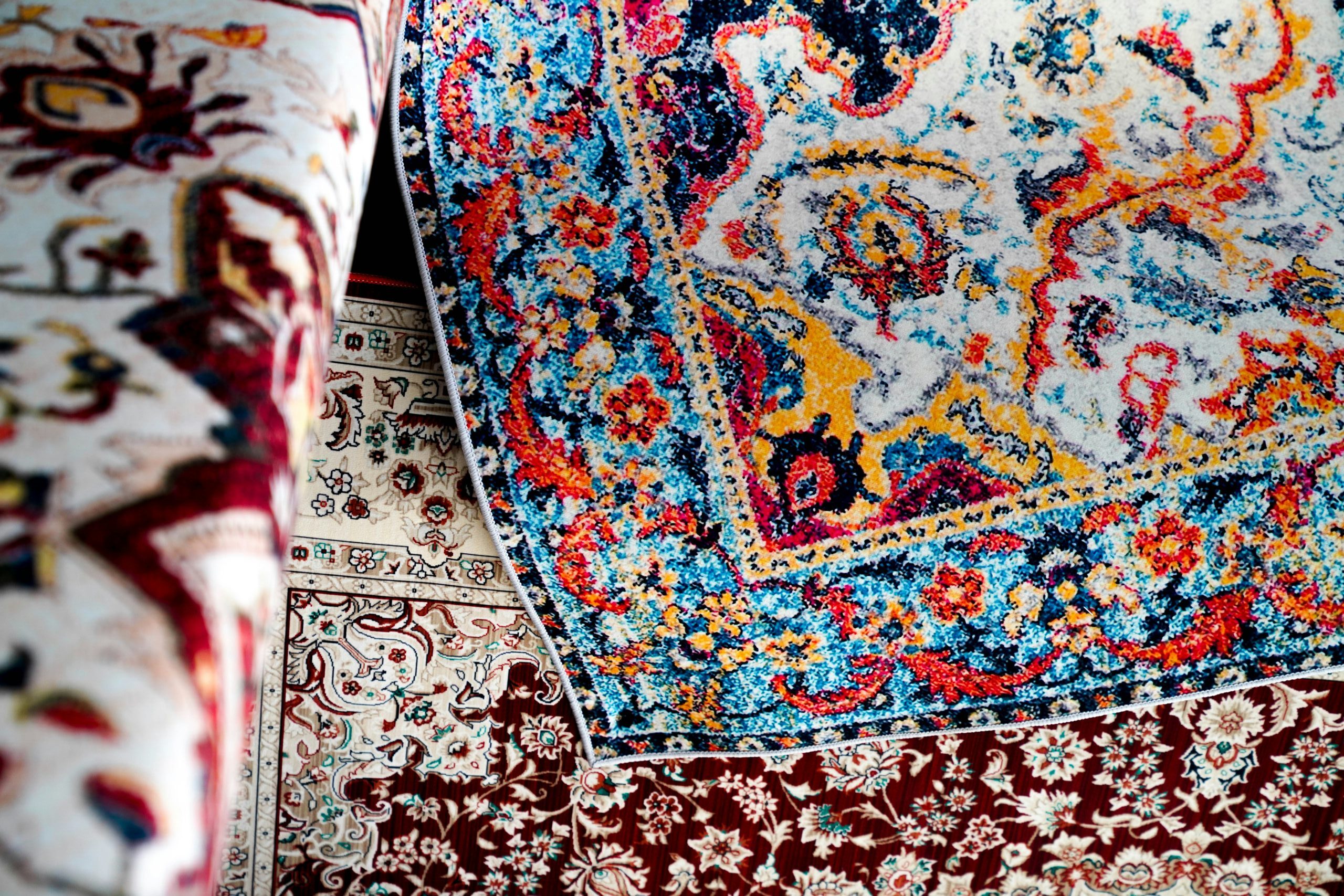
The strong Persian influence makes the term Indo-Persian rug particularly appropriate. Their ornamentation, however, is generally more naturalistic. In Persian rugs, branches are usually depicted as straight, while in Indian rugs they often bend under the weight of numerous flowers. The floral motifs tend to draw on summer and autumn, whereas Persian designs are often more reminiscent of spring. Indian rug patterns are also usually more open and spacious.

The finest examples are made from high-quality cashmere wool, and more rarely from silk.

52759-kecses-indiai-lany-3.jpg

Exports became significant around 1850. Growing demand also influenced production, and rugs increasingly had to be made according to selected patterns. As a result, many traditional features of Indian rug-making gradually disappeared. Some luxury Indian rugs were even designed by Venetian and French artists.
300dpi

More recent rug production is generally considered less significant. These rugs are often made from lower-quality materials and use a lower knot density. Mass production appeared in the 20th century and contributed to falling prices.
Source: Wikipedia

Szeretne elsőként értesülni a legújabb híreinkről és linformációinkról?

Cikkeink hasonló témában

Contrast in interior design: a play of light, texture and form

Contrast brings depth and character to interior design through carefully chosen opposites, from light and dark tones to old and new pieces or contrasting textures. Discover how to combine colours, shapes and surfaces so that a statement rug or another standout feature truly shines.

A harmonious colour palette for your home: the role of base, secondary and accent colours

A harmonious home colour palette combines a carefully chosen base colour, a secondary colour and an accent colour to give a room its character. Discover how room orientation and natural light affect the way we perceive colour, along with simple ways to preserve the original colours of your rugs for years to come.

More Space in a Compact Home: Practical Decorating Ideas for Smaller Apartments

A smaller apartment can feel airier and more open with a few thoughtful decorating choices. A well-sized rug, layered lighting, mirrors, multifunctional furniture and zones without walls can all help a compact home feel more practical and harmonious.

Ezek érdekelhetnek még

Ez is érdekes lehet

Seneh (Sanandaj) kilims – Kurdish craftsmanship from the heart of the Kurdistan region

×
×

Cart